
Leeds City England
City of Leeds
Leeds is a thriving city in West Yorkshire with a strong sense of identity and energy. It blends historic character with modern development, creating a place that feels both established and forward-thinking. Its impressive architecture, busy streets, and welcoming atmosphere make it one of the most influential cities in the north of England.
The city is known for its diverse economy, supported by finance, education, retail, and digital industries. A large student population adds creativity and vibrancy, helping shape a lively social scene and cultural presence. Leeds continues to grow as a centre for business and innovation while maintaining its distinctive northern charm.
Beyond its commercial strength, Leeds offers a balanced lifestyle with green surroundings, strong transport connections, and a close-knit community feel. It attracts residents and visitors alike for its mix of opportunity, culture, and everyday convenience. Overall, Leeds stands out as a confident, dynamic city with both heritage and ambition.
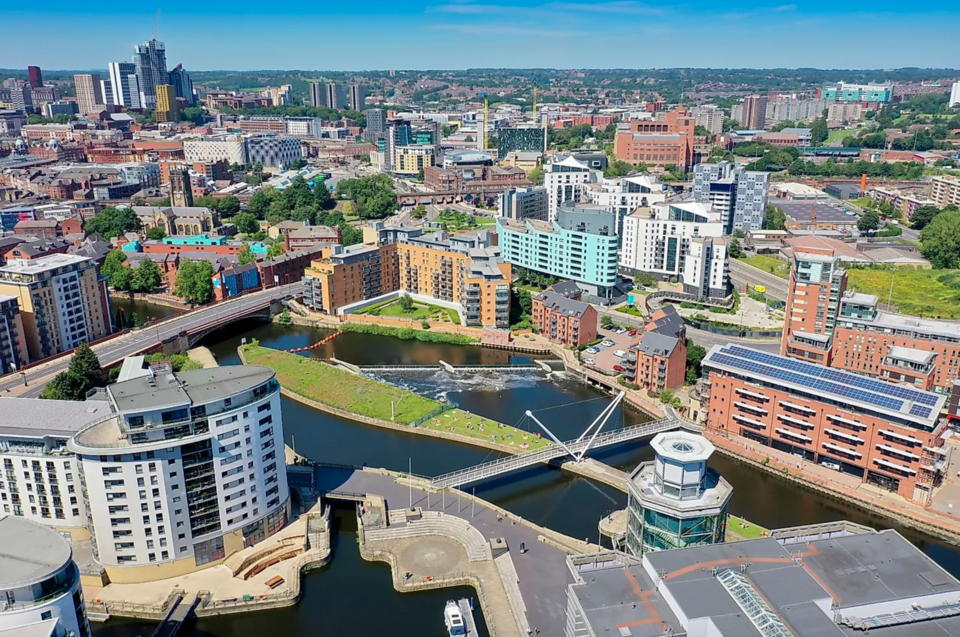
The Reasons Why We Love Leeds
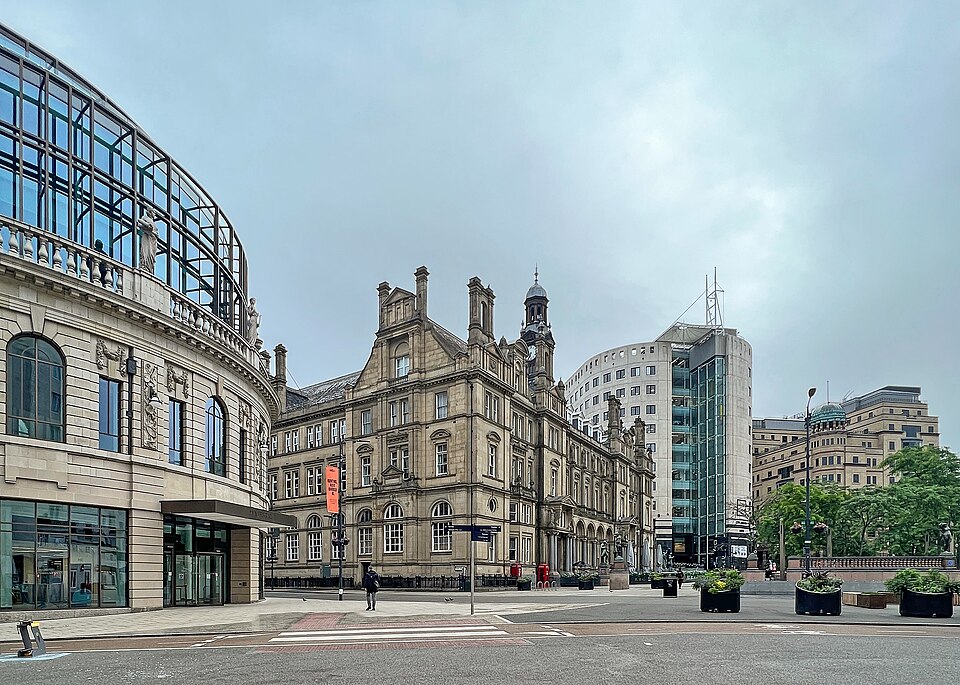
Leeds offers a rich mix of cultural and historic landmarks that showcase its character and heritage. The impressive collections at the Royal Armouries Museum draw visitors from across the country, while the grand ruins of Kirkstall Abbey provide a striking glimpse into the city’s medieval past. Art lovers are often drawn to the inspiring exhibitions at Leeds Art Gallery, which highlights important British works in an elegant setting.
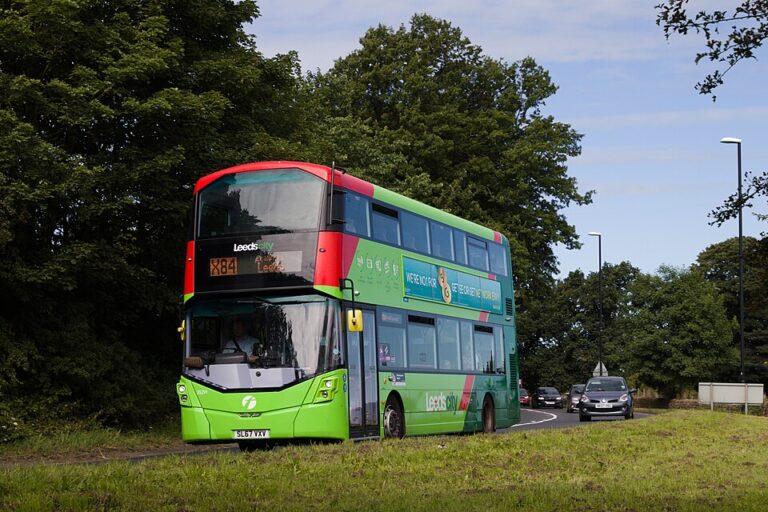
Beyond its history and art, Leeds is equally known for its lively green spaces and distinctive shopping areas. Roundhay Park offers vast parkland, lakes, and scenic walking routes, creating a peaceful escape within the city. The architectural beauty of the Victoria Quarter adds a touch of elegance to the shopping experience, while the historic Leeds Corn Exchange stands out as a hub for independent retailers and unique finds. Together, these highlights reflect the variety and appeal that make Leeds such a rewarding place to explore.
Best Things To Do And Places To Visit In Leeds
Royal Armouries Museum
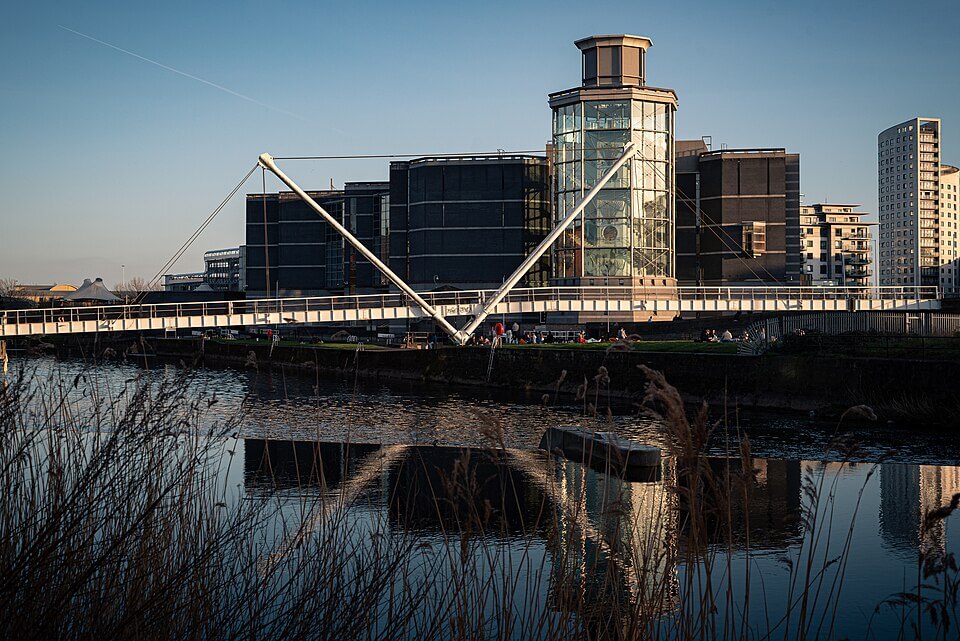
The Royal Armouries stands as a striking modern fortress at Leeds Dock, housing the United Kingdom’s national collection of arms and armor. Across five massive floors, visitors can explore the evolution of combat through the ages, from the intricate ceremonial suits of the Tudor kings to the functional ballistics of the modern era. The museum is famous for its “Hall of Steel,” a breathtaking architectural feat where thousands of weapons are arranged in a towering display that stretches toward the ceiling, creating a shimmering mosaic of military history.
Beyond the glass cases, the museum brings history to life with live action and interactive displays. During the summer months, the outdoor tiltyard hosts authentic jousting tournaments, while indoor demonstrations often feature expert historical interpreters showing how medieval longswords were swung or how 17th-century muskets were primed. It is a rare space where the artistry of the blacksmith meets the brutal reality of the battlefield, offering a visceral look at the human story of conflict and protection.
More Info on Royal Armouries Museum
Directions to Royal Armouries Museum
Leeds Art Gallery
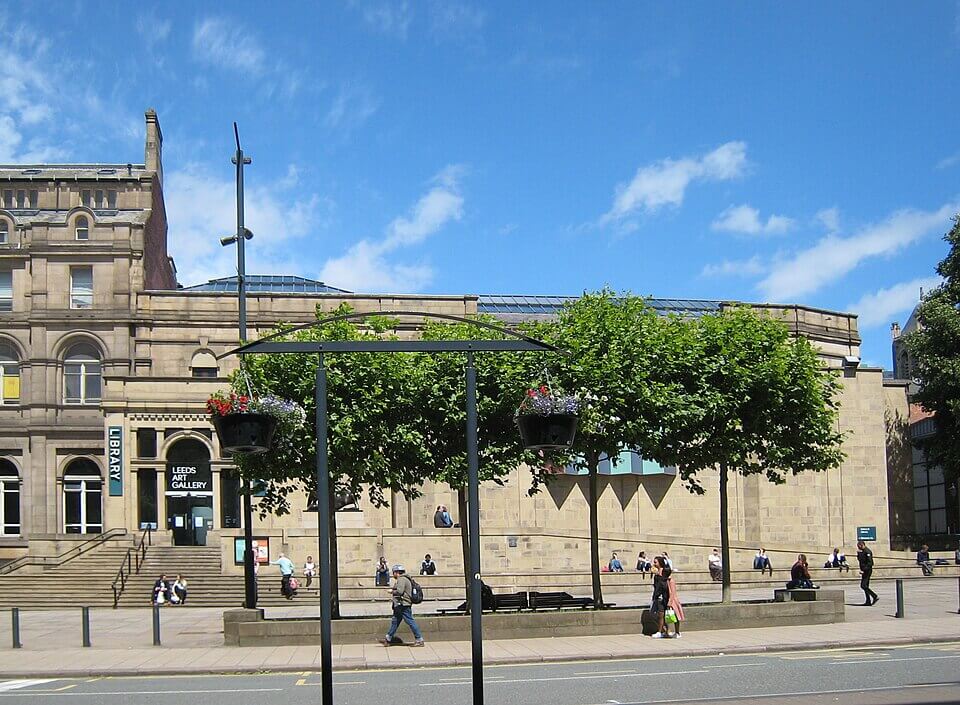
Located on The Headrow, Leeds Art Gallery is the city’s premier destination for visual arts, boasting one of the most significant collections of 20th-century British art outside of London. The journey begins before you even see a painting, as visitors are greeted by a vibrant, multi-colored staircase mural designed by artist Lothar Götz. Inside, the light-filled Victorian galleries house masterworks by legendary figures such as Francis Bacon and Barbara Hepworth, alongside a rotating schedule of contemporary exhibitions that challenge and inspire.
Connected to the gallery is the famous Tiled Hall Café, which was originally the main reading room of the city’s central library. This space is a masterpiece of Victorian design, featuring an arched ceiling covered in intricate turquoise and gold tiles, marble pillars, and mosaic floors. It provides a grand, atmospheric setting to reflect on the art you’ve just seen while enjoying a coffee, making the gallery a complete sensory experience that blends historic opulence with cutting-edge creativity.
For More Info on Leeds Art Gallery Read Here
Directions to Leeds Art Gallery
Leeds Corn Exchange
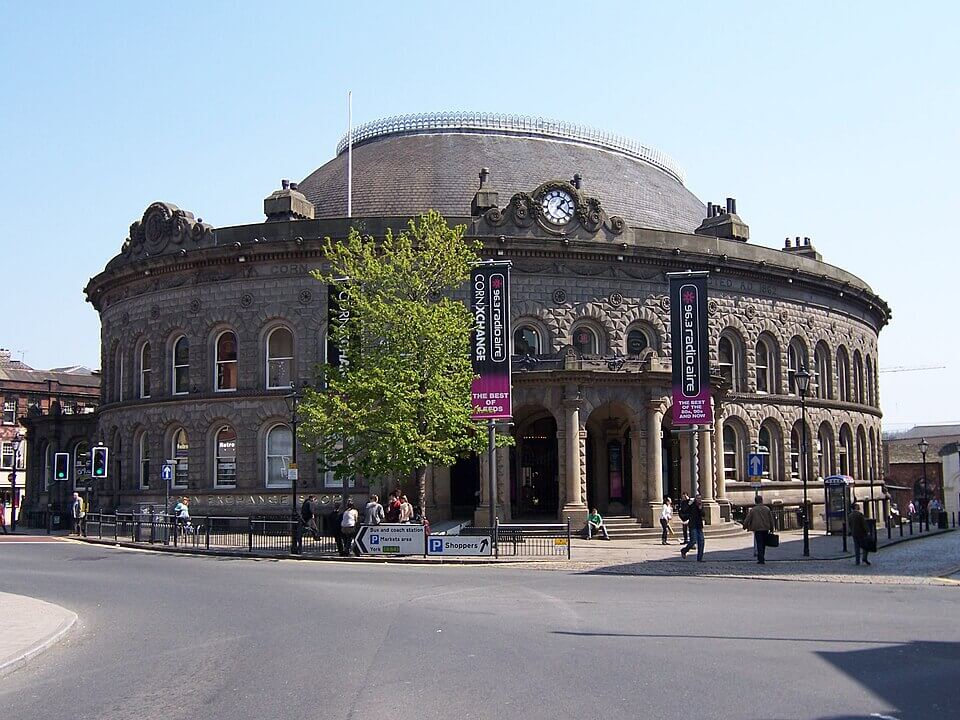
The Leeds Corn Exchange is an architectural marvel and a symbol of the city’s independent spirit. Designed by Cuthbert Brodrick and completed in 1864, its defining feature is a spectacular oval glass dome that floods the interior with natural light. Originally used by traders to sell grain, the building has been reimagined as a sanctuary for independent business, housing three tiers of boutique shops, record stores, and local food vendors that you won’t find on any typical high street.
Walking through the Corn Exchange feels like stepping into a creative village. The atmosphere is perpetually lively, often hosting specialist record fairs, plant sales, or vintage clothing markets. It has long been a gathering spot for the city’s subcultures and creative communities, maintaining a cool, alternative vibe that contrasts sharply with the sleek modern malls nearby. It remains one of the most photographed and beloved buildings in the North of England.
Read More on Leeds Corn Exchange
Directions to Leeds Corn Exchange
Park Square
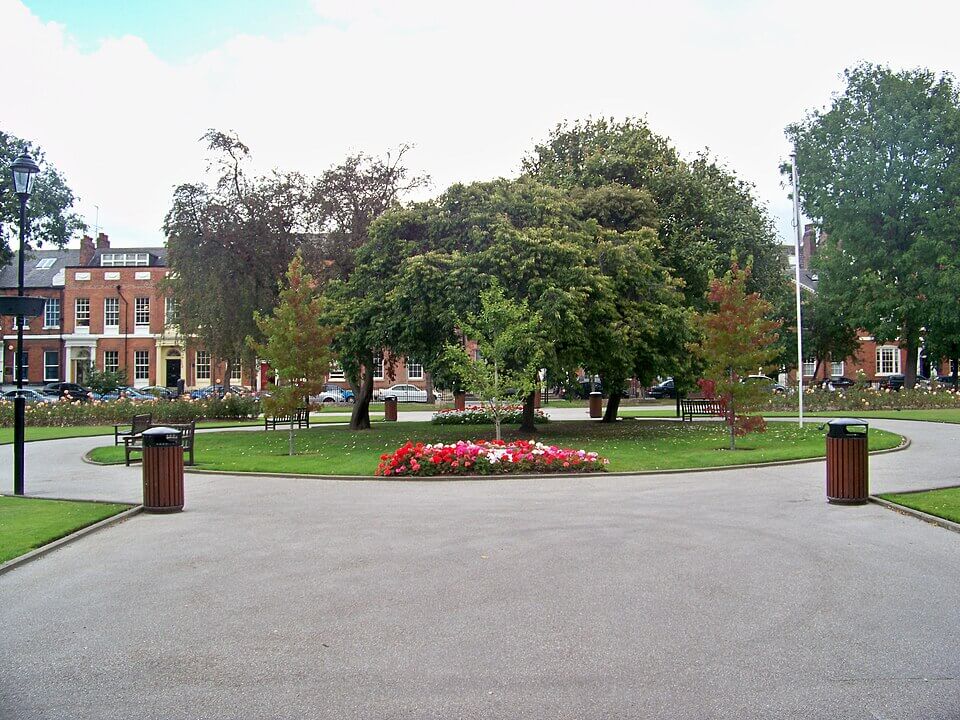
Park Square is a beautifully preserved Georgian square in the heart of the legal and financial district, offering a formal, quiet oasis amidst the city’s busy streets. Surrounded by red-brick townhouses and manicured rose beds, it is the quintessential spot for office workers to enjoy a quiet lunch or for visitors to admire the architecture of “Old Leeds.” Its symmetry and tranquillity provide a sharp, elegant contrast to the modern glass towers that dominate much of the surrounding skyline.
Read More on Park Square
Directions to Park Square
Penny Pocket Park
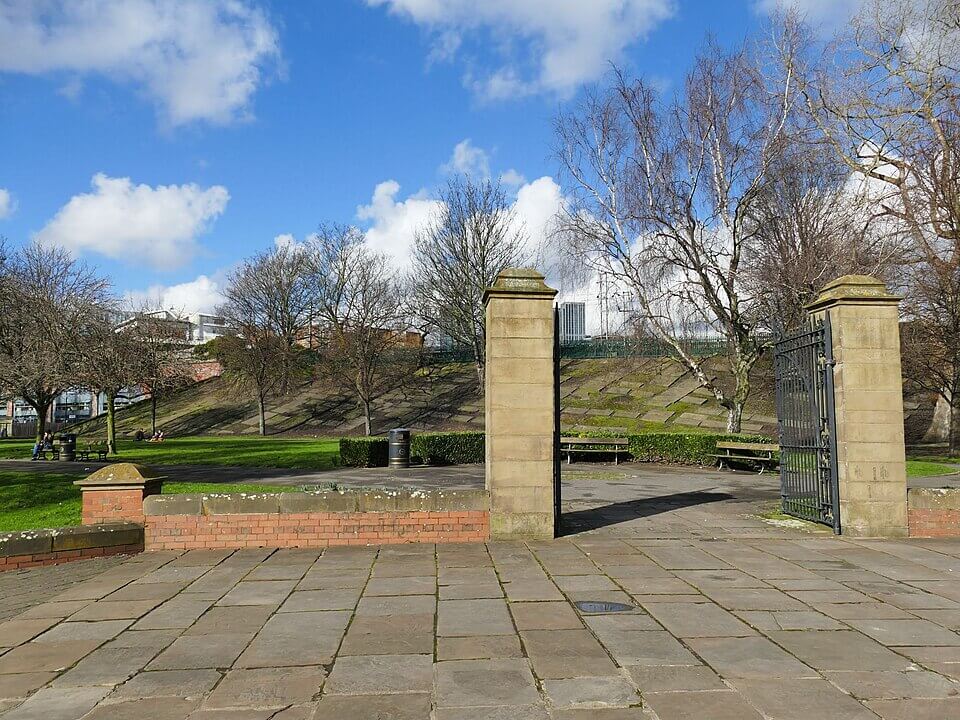
Nearby, Penny Pocket Park offers a smaller but equally historic green space right next to the Leeds Minster. It provides a peaceful, shaded retreat on the eastern edge of the city center, often used by people walking between the bus station and the creative docks. These small “pocket parks” are the unsung heroes of the city, providing essential patches of green and a sense of historical continuity within the dense urban fabric of Leeds.
Read More on Penny Pocket Park
Directions to Penny Pocket Park
Leeds Discovery Centre
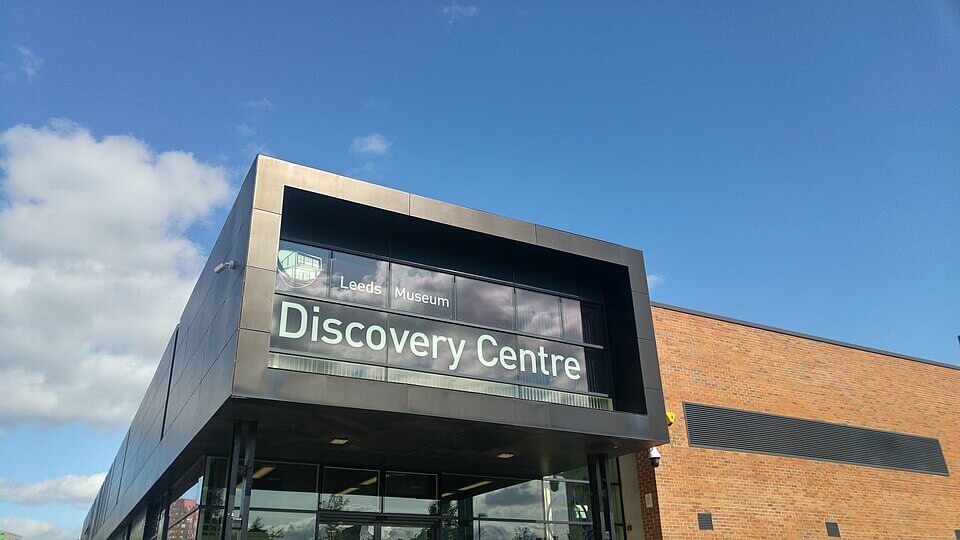
Unlike a traditional museum, the Leeds Discovery Centre is a state-of-the-art storage facility that acts as the “hidden heart” of the city’s heritage. It houses over 1.1 million objects that aren’t currently on public display, ranging from giant dinosaur fossils and ancient Greek pottery to vintage 1950s vacuum cleaners and exotic taxidermy. Because the building is designed for conservation, the environment is strictly controlled, making a guided tour feel like stepping into a giant, high-tech treasure chest of human history.
Tours of the Discovery Centre are a unique experience because they allow you to get much closer to the artifacts than a standard gallery would permit. You might find yourself standing inches away from a meteorite one moment and examining delicate Victorian lace the next. It serves as a vital resource for researchers and students, but it is equally fascinating for members of the public who want to see the sheer volume of “stuff” that a city collects over centuries of existence.
Read More on Leeds Discovery Centre
Directions to Leeds Discovery Centre
Victoria Quarter
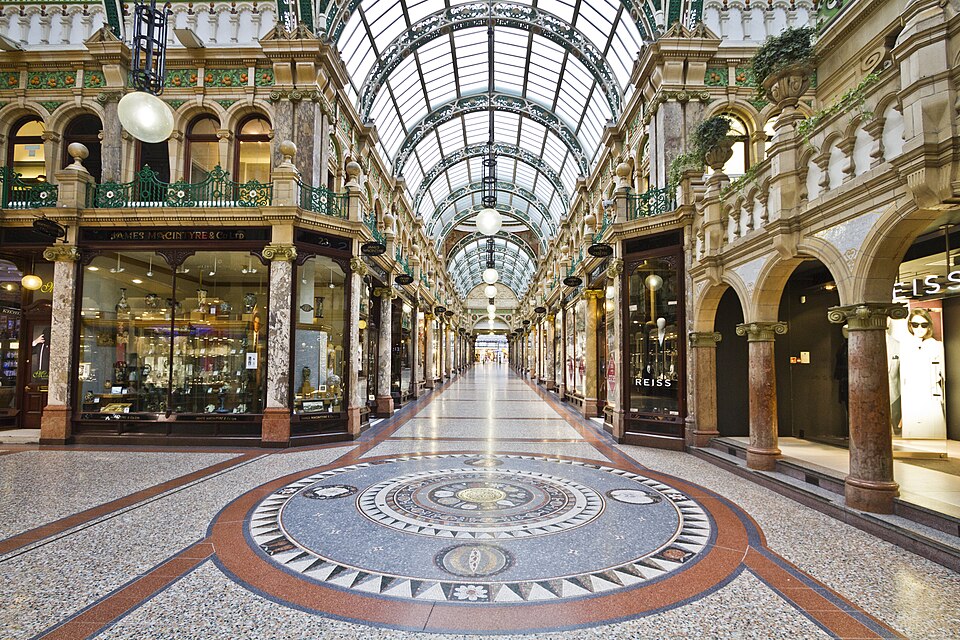
Often referred to as the “Knightsbridge of the North,” the Victoria Quarter is an opulent shopping arcade that showcases the very best of Victorian and Edwardian craftsmanship. The arcade is famous for its intricate marble pillars, mahogany shop fronts, and the stunning stained-glass roof designed by Brian Clarke, which is the largest work of its kind in the world. As you walk across the mosaic floors, the echoes of the past blend with the luxury of the present, creating a shopping experience that feels like a trip to a grand palace.
The Quarter is home to high-end global brands and the prestigious Harvey Nichols department store, making it the go-to destination for fashion and luxury goods. Even for those not looking to spend, the sheer beauty of the architecture makes it a must-visit landmark. The attention to detail in the gilded carvings and the colourful glasswork overhead creates a sense of timeless elegance that makes it one of the most beautiful shopping environments in Europe.
Read More on Victoria Quarter
Directions to Victoria Quarter
Kirkgate Market
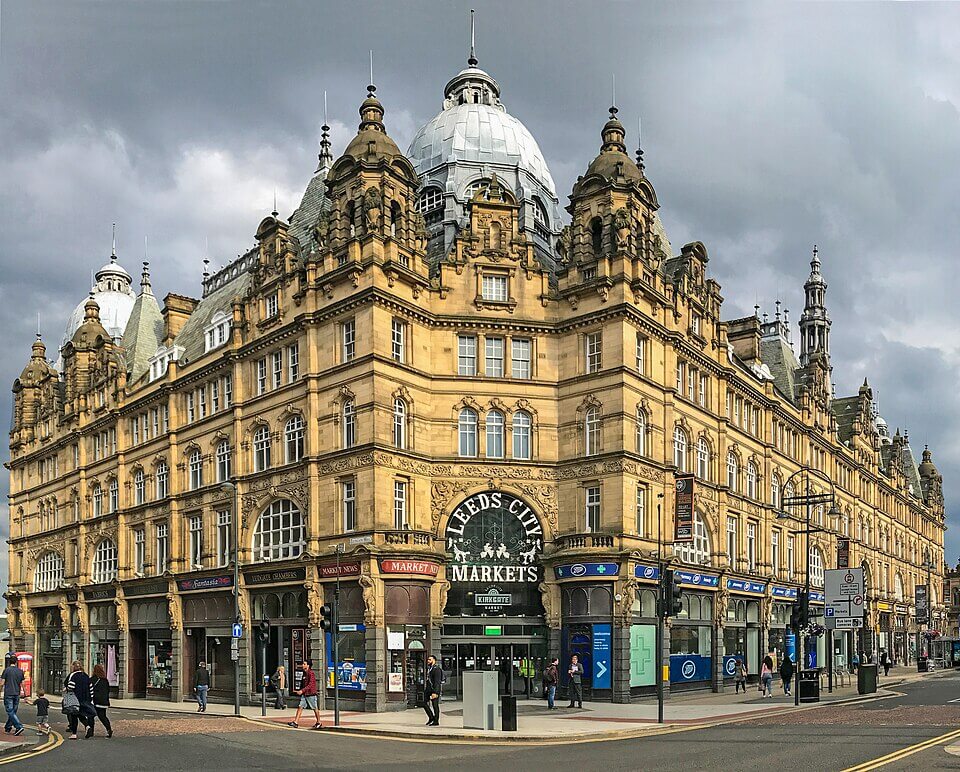
Kirkgate Market is a sprawling, bustling hub of commerce that has been the beating heart of Leeds since the mid-19th century. As one of the largest indoor markets in Europe, it is housed in a magnificent Grade I listed Edwardian hall characterized by wrought ironwork and ornate dragon motifs. It is famously the birthplace of Marks & Spencer, which began as a “Penny Bazaar” here in 1884—a legacy that is still commemorated with a heritage clock and a dedicated stall today.
The market is a sensory explosion, where the cries of fishmongers and butchers mingle with the scents of fresh spices and international street food. The newer “Market Kitchen” section offers a modern twist, featuring some of the city’s best independent food vendors serving everything from Levantine wraps to Vietnamese pho. It is a place where old-school Leeds tradition meets the city’s modern, multicultural identity, providing an authentic slice of local life that no shopping mall can replicate.
Read More on Kirkgate Market
Directions to Kirkgate Market
Leeds Museums and Galleries to Visit
Leeds City Museum
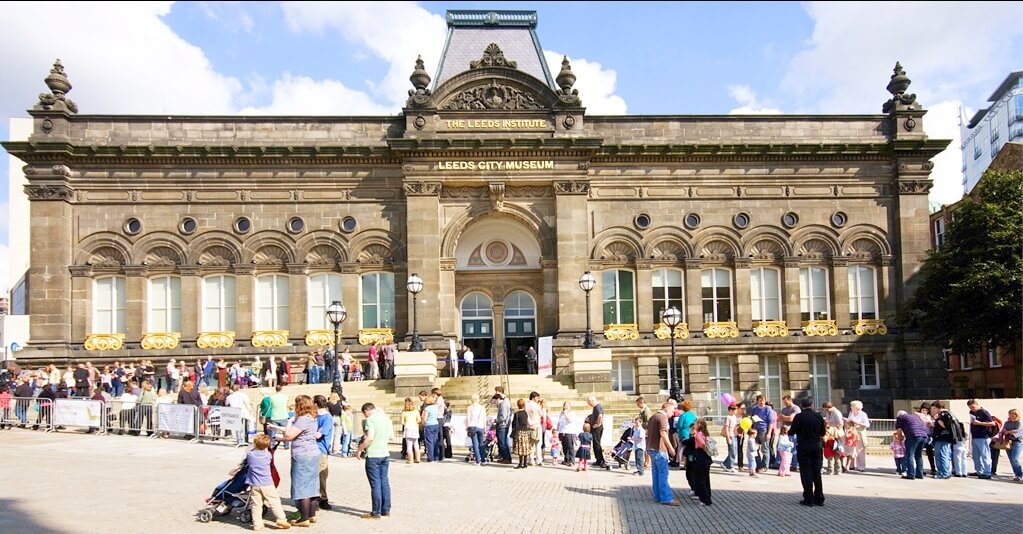
Situated in the grand, neo-Classical Mechanics Institute building on Millennium Square, the Leeds City Museum serves as a vibrant gateway to the history of the world and the local region. One of its most famous residents is the “Leeds Tiger,” a 19th-century taxidermy specimen that has been a local icon for generations. The museum also houses the remarkably well-preserved mummy of Nesyamun, an Egyptian priest whose remains have been studied by scientists for over 200 years, providing a bridge between modern Leeds and the ancient Nile.
The museum is designed to be deeply interactive, making it a favorite for families and curious minds of all ages. It features six permanent galleries that cover everything from the natural history of the Yorkshire Dales to the city’s transformation into an industrial powerhouse. By hosting regular community events and changing temporary exhibitions, the museum stays deeply connected to the people of Leeds, ensuring that the story of the city is constantly being updated and retold in fresh, engaging ways.
Read More about Leeds City Museum
Directions to Leeds City Museum
Thackray Museum of Medicine
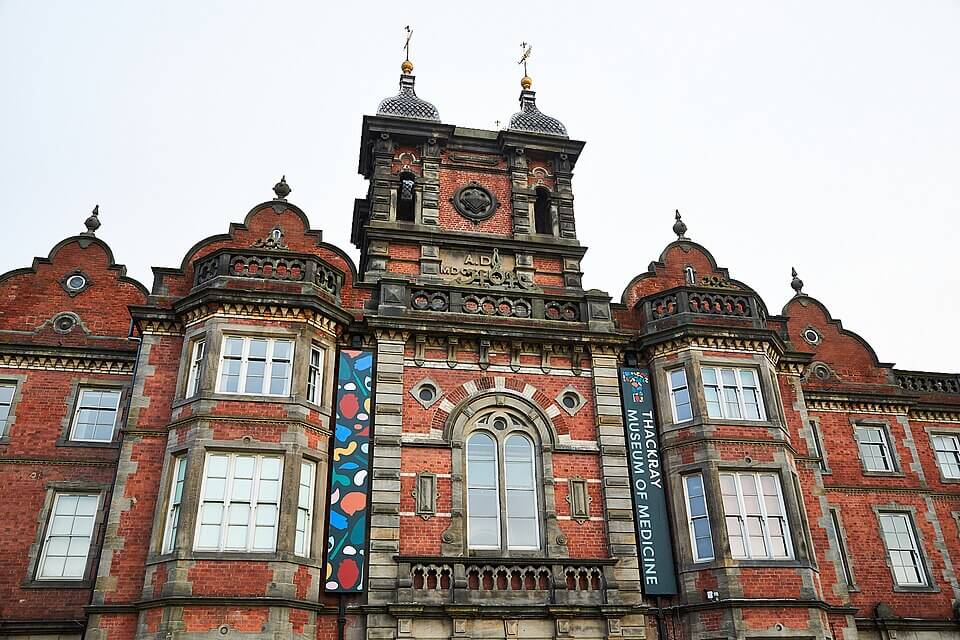
Housed in the former Leeds Union Workhouse next to St. James’s Hospital, the Thackray Museum of Medicine offers a fascinating and sometimes gritty exploration of the history of human health. The experience is intentionally immersive; visitors can walk through a reconstructed Victorian street—complete with the sights, sounds, and even the smells of 1840s Leeds—to understand how poverty and disease shaped early medicine. It is a powerful reminder of how far we have come from the days of backyard surgeries and apothecary cures.
The museum doesn’t just focus on the past; it also highlights the incredible scientific breakthroughs that have saved millions of lives. From the development of vaccines to the intricacies of modern robotic surgery, the exhibits guide you through the triumphs of the human spirit over biological adversity. It is an educational journey that manages to be both educational and slightly macabre, appealing to anyone with an interest in the darker side of history or the wonders of biological science.
Read More on Thackray Museum of Medicine
Directions to Thackray Museum of Medicine
Leeds Industrial Museum at Armley Mills
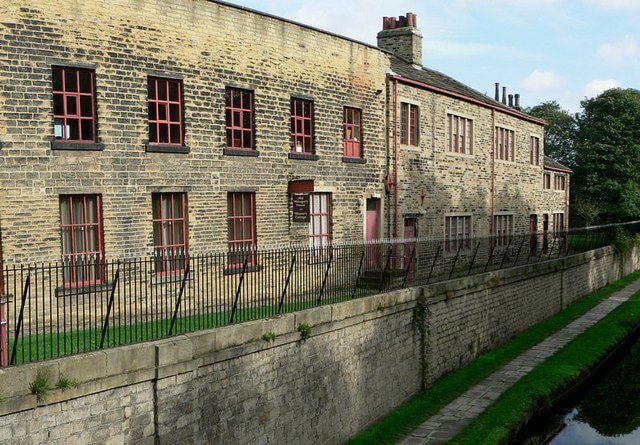
Once the largest woollen mill in the world, Armley Mills now stands as a monument to the industry that built the city of Leeds. The museum is located on a small island between the River Aire and the Leeds-Liverpool Canal, preserving the massive waterwheels and steam engines that once powered the global textile trade. Walking through the cavernous mill floors, you can see rows of vintage looms and spinning frames, often accompanied by the rhythmic sounds of machinery that give you a sense of the sheer scale of 19th-century manufacturing.
In addition to its textile heritage, the museum celebrates the city’s role in the early cinema and printing industries. It features a beautifully restored 1920s cinema with plush velvet seats, where visitors can watch short films from the early days of the “moving picture.” The site also houses a collection of vintage locomotives and heavy engineering equipment, painting a comprehensive picture of how Leeds became the powerhouse of the North during the Industrial Revolution.
Read More on Leeds Industrial Museum at Armley Mills
Directions to Leeds Industrial Museum at Armley Mills
Harewood House Trust
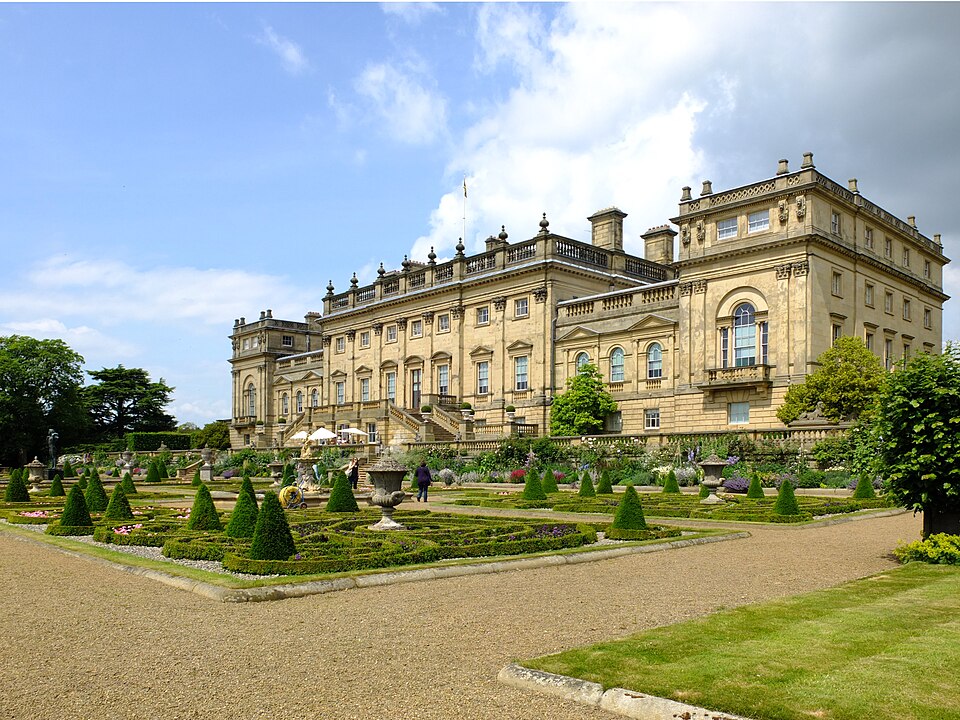
Harewood House Trust is one of the “Treasure Houses of England,” representing the pinnacle of 18th-century style and aristocratic grandeur. This magnificent neo-Classical mansion was built for the Lascelles family and remains a testament to the era’s finest craftsmanship, boasting interiors designed by Robert Adam and furniture by the legendary Thomas Chippendale. Visitors often describe the experience as stepping into a living gallery where every room tells a story of vast wealth and artistic ambition.
The house serves as a vibrant cultural hub that frequently hosts major outdoor events and seasonal art installations. Whether you are wandering through the opulent Below Stairs area to see how the domestic staff lived or exploring the intricate Walled Garden, there is a constant sense of discovery. The estate’s blend of high art and wild nature makes it one of the most complete heritage experiences in the North of England.
Read More about Harewood House
Directions to Harewood House Trust
Visit Some Popular Parks in Leeds
Woodhouse Moor
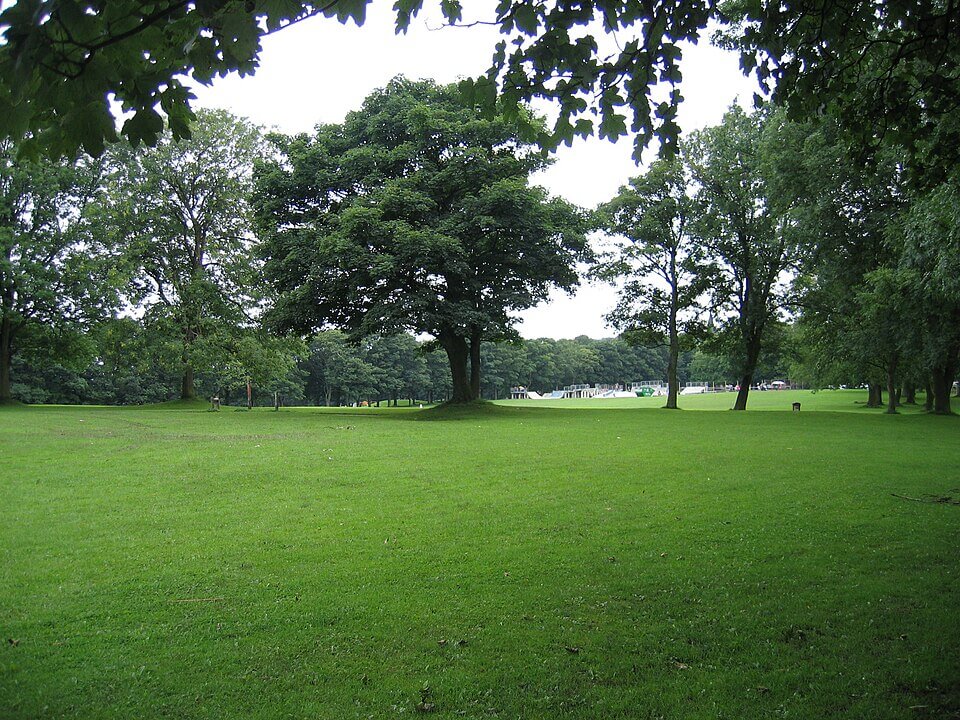
Located just a stone’s throw from the University of Leeds, Woodhouse Moor is the most frequently used and socially vibrant park in the city. It is often referred to by locals as “Hyde Park” and serves as the primary meeting ground for students, activists, and local residents. On a sunny day, the park’s large open fields are packed with people picnicking, playing music, and practicing sports, giving it an energetic, youthful atmosphere that reflects the city’s university culture.
Historically, the moor has been a site of significant public gatherings and protests, and its statues—including one of Queen Victoria—stand as silent witnesses to the city’s changing identity. It features a popular skate park, several allotments, and is the home of the very first Leeds Parkrun. While it may not have the manicured gardens of other parks, its central location and role as a community melting pot make it an essential part of the Leeds experience.
Read More on Woodhouse Moor
Directions to Woodhouse Moor
Middleton Park
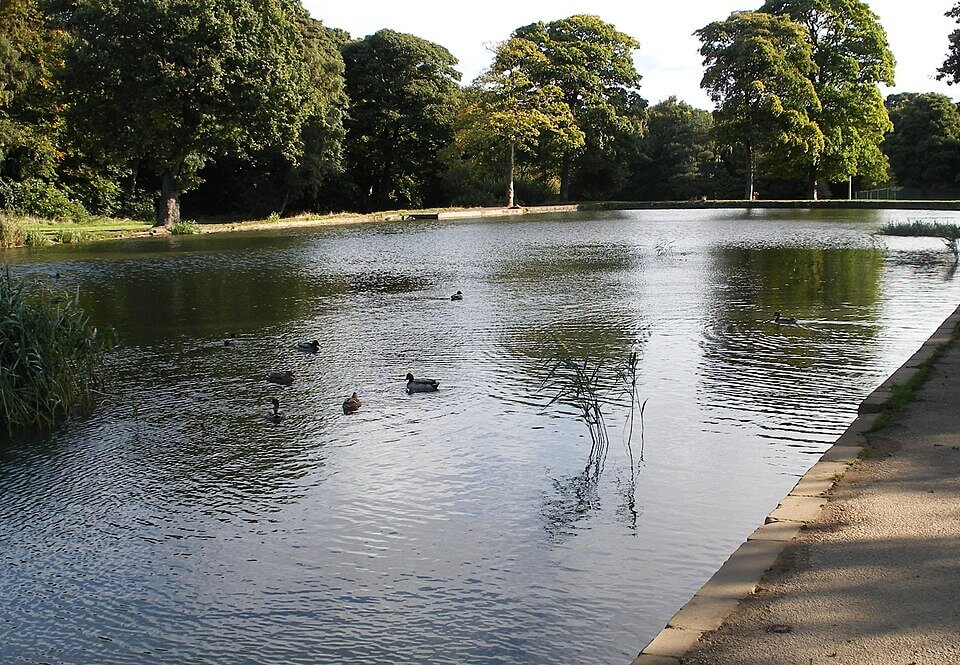
Middleton Park is a vast and historic green space in South Leeds that offers a unique combination of ancient woodland and industrial heritage. Covering over 600 acres, it contains one of the largest areas of ancient woods in the Leeds district, where visitors can walk through trees that have stood for centuries. The park is also home to the Middleton Railway, the oldest continuously working railway in the world, which runs steam trains along the park’s edge, adding a nostalgic charm to the landscape.
For those seeking activity, the park features a modern visitor center, a large fishing lake, and a dedicated bike hub with trails ranging from easy paths to challenging mountain bike descents. It has undergone significant restoration in recent years, turning it into a premier destination for families in South Leeds. Whether you are exploring the archaeological remains of old coal mines hidden in the woods or playing a round on the park’s golf course, Middleton Park is a place of endless discovery.
Read More Here on Middleton Park
Directions to Middleton Park
Roundhay Park
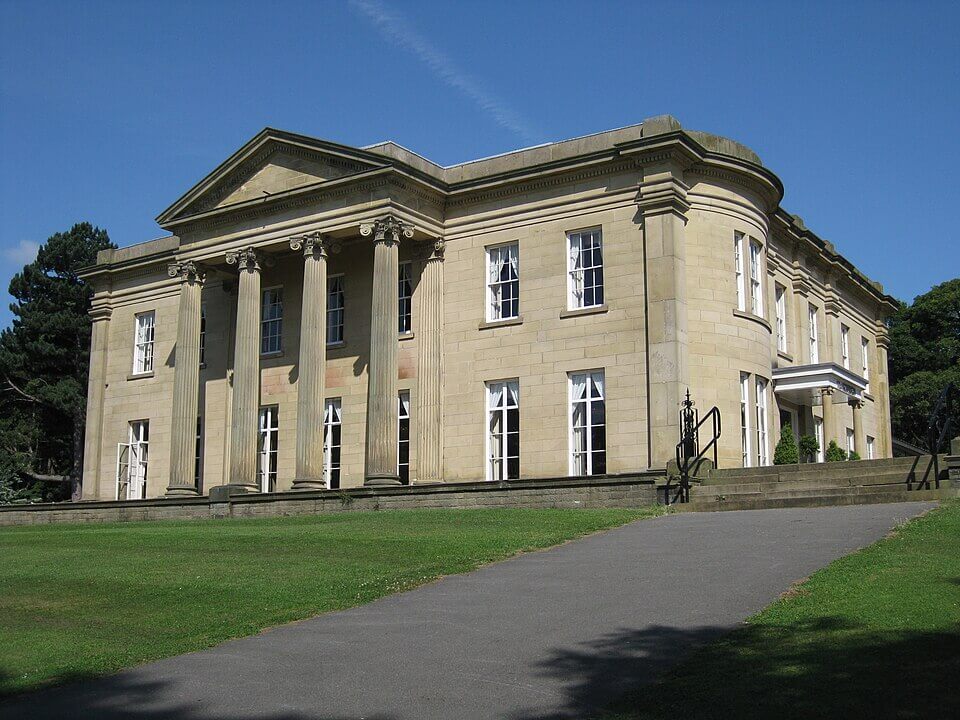
Spanning over 700 acres, Roundhay Park is one of the largest urban parks in Europe and the crown jewel of the city’s green spaces. It offers a diverse landscape that includes vast rolling parklands, two large lakes, and specialized formal gardens like the Canal Gardens and the Alhambra Garden. Whether you are looking for a vigorous hike through the woods or a peaceful afternoon watching the swans on Waterloo Lake, the park provides an incredible sense of scale and variety right on the edge of the city.
One of the park’s biggest draws is Tropical World, an indoor complex of greenhouses that takes visitors from the humidity of the rainforest to the heat of the desert. Here, you can see meerkats, crocodiles, and exotic butterflies, making it a major destination for families. With its frequent events—ranging from massive outdoor concerts to local food festivals—Roundhay Park acts as the city’s communal backyard, offering something for everyone in every season.
Read More on Roundhay Park
Directions to Roundhay Park
Pudsey Park
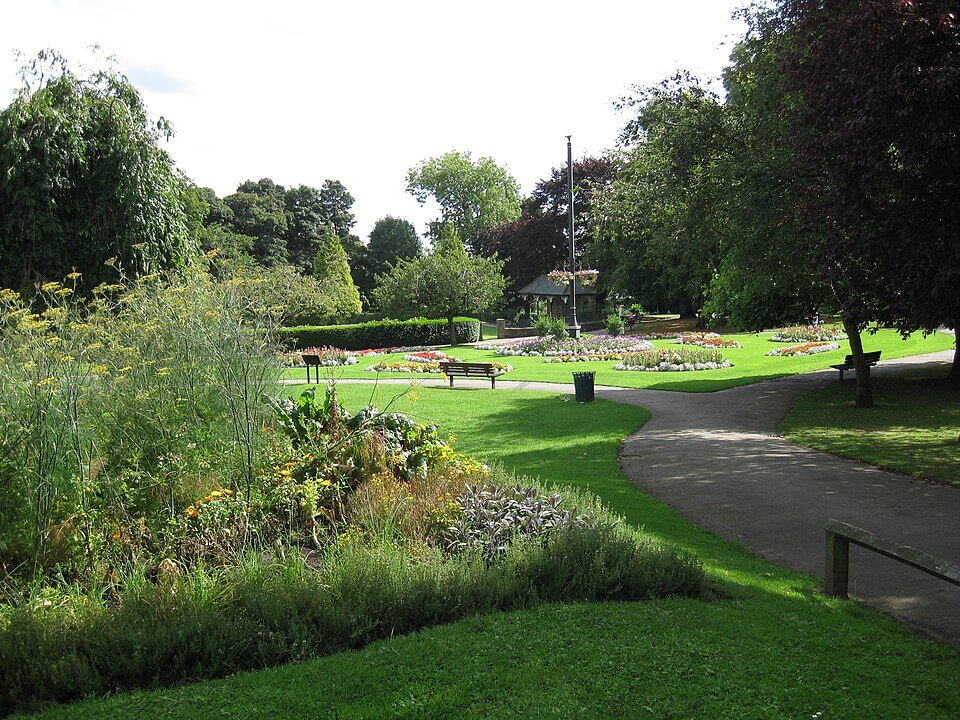
Pudsey Park is a classic, award-winning community park that consistently ranks as one of the best-maintained green spaces in the country. It is particularly famous for its spectacular floral displays and its charming “pet corner,” which features a range of small animals and an aquarium, making it an absolute favorite for young children. The park manages to pack a huge amount of variety into a relatively small area, including a bandstand, bowling greens, and a popular café.
The park is deeply integrated into the life of the surrounding market town, serving as the focal point for local festivals and remembrance services. Its paths are wide and accessible, and the play areas are some of the best in the district, having been recently renovated to include modern, inclusive equipment. Pudsey Park is a perfect example of a traditional British public park—clean, welcoming, and clearly cherished by the people who live nearby.
Find More Details on Pudsey Park
Directions to Pudsey Park
Golden Acre Park
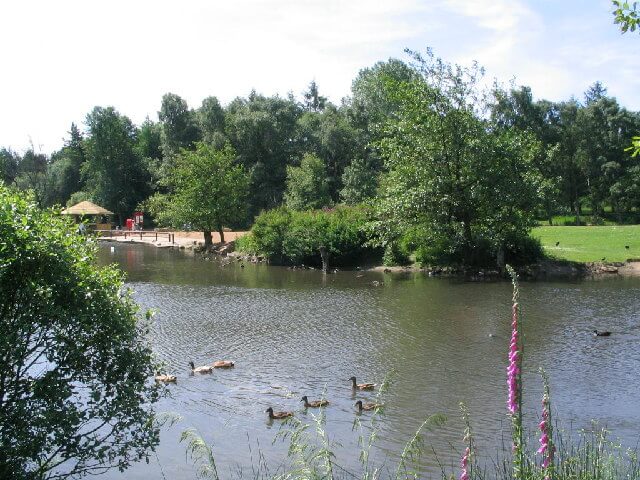
Golden Acre Park is widely regarded as the most picturesque and relaxing park in Leeds, known for its focus on horticulture and its serene lakeside atmosphere. Unlike the busier sports-focused parks, Golden Acre is designed for strolling; its circular path around the central lake is a favorite for walkers and birdwatchers alike. The park is meticulously maintained, featuring award-winning heather gardens, wildflower meadows, and a massive variety of trees that create a stunning display of color throughout the autumn.
The park is also a gateway to the wider Yorkshire countryside, serving as a starting point for the Meanwood Valley Trail and sitting adjacent to the Adel Dam Nature Reserve. Visitors often flock to the park’s café for a scone after a walk or spend time feeding the many ducks and geese that call the lake home. It is a quiet, refined space that feels miles away from the urban bustle, despite being just a short drive from the city center.
Read More on Golden Acre Park
Directions to Golden Acre Park
Armley Park
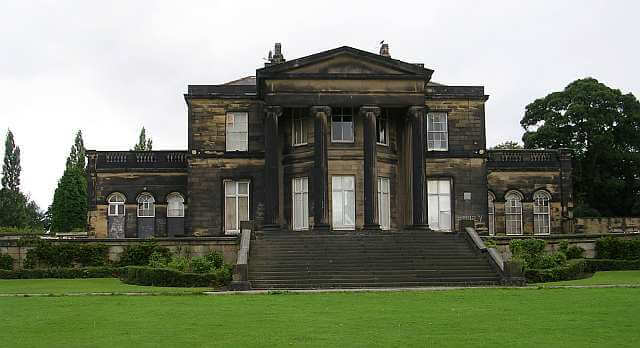
Armley Park is known for its dramatic topography, featuring the famous “Giant’s Steps” that lead down toward the canal and the industrial museum below. The park offers expansive views across the Aire Valley and features grand Victorian gatehouses that hint at its history as a private estate. It is a rugged, hilly park that is popular for dog walkers and those looking for a bit of exercise while taking in some of the best sunsets the city has to offer.
Read More on Armley Park
Directions to Armley Park
Beckett Park
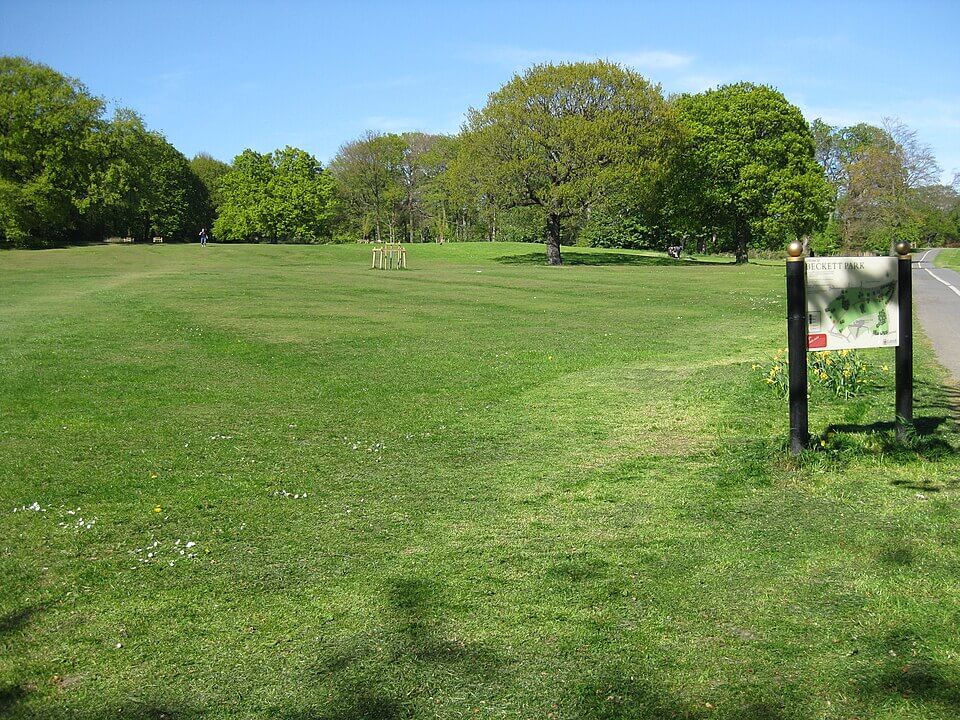
Across the valley in Headingley, Beckett Park serves a similar role for the northern part of the city. Located on the campus of Leeds Beckett University, it features large, flat playing fields and dense woodland trails that are perfect for a quick escape into nature. The park is famous for its “Queen Victoria Arch,” a stone monument built to commemorate her visit to the city, and it remains a peaceful, leafy sanctuary for students and families alike in one of the city’s most popular residential areas.
Read More on Beckett Park
Directions to Beckett Park
History of Leeds
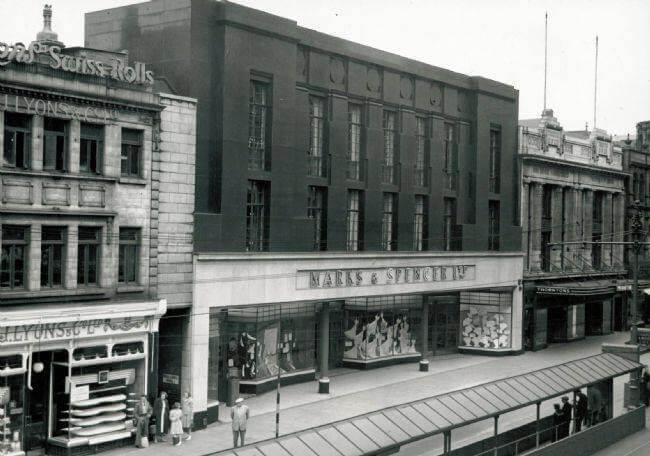
Leeds has a long and layered history that begins as a small Anglo-Saxon settlement in the early medieval period. Its name is believed to derive from the old Brythonic word Ladenses, referring to the people who lived along the River Aire. By the Middle Ages, Leeds had grown into a modest market town, supported by agriculture and the early wool trade, which would later shape its identity for centuries.
During the 17th and 18th centuries, Leeds became a major centre for the wool and cloth industry. The town expanded rapidly as merchants and traders built wealth through textile production and export. The arrival of canals and improved transport links strengthened its commercial power, allowing goods to move efficiently across the region and beyond.
The Industrial Revolution transformed Leeds dramatically. Mills, factories, and engineering works dominated the skyline, and the population increased significantly as people moved to the area for work. The city became known not only for textiles but also for engineering, printing, and manufacturing, establishing itself as one of the key industrial cities in northern England.
In the late 19th and early 20th centuries, Leeds continued to grow, developing strong financial, educational, and civic institutions. Grand public buildings, arcades, and cultural venues reflected its prosperity. After periods of industrial decline in the mid-20th century, the city successfully reinvented itself, shifting toward finance, retail, higher education, and digital industries.
Today, Leeds stands as one of the UK’s largest and most influential cities outside London. While modern development has reshaped parts of the skyline, the city retains visible reminders of its industrial and commercial past. Its history of resilience and adaptation continues to shape its identity as a confident and forward-looking city.
Economy of Leeds
Leeds has one of the largest and most diverse economies outside London, making it a major financial and commercial centre in the UK. The city is particularly strong in banking, legal services, and professional services, with many national and international firms operating from modern office developments. Its reputation as a financial hub has helped attract continued investment and business growth over the years.
In addition to finance, Leeds has built a strong presence in digital, technology, and creative industries. The city supports a growing tech sector, including digital media, software development, and data services. A large graduate population from local universities provides a steady pipeline of skilled talent, helping innovative businesses expand and thrive.
Retail and hospitality also play an important role in the local economy. As a major shopping destination in northern England, Leeds attracts visitors from across the region, supporting high street brands, independent retailers, restaurants, and entertainment venues. Large retail centres and historic shopping arcades contribute significantly to employment and tourism revenue.
Healthcare, education, and public services are further key pillars of the economy. Major hospitals and research institutions support medical innovation and provide thousands of jobs. Meanwhile, the city’s universities strengthen research output, business partnerships, and international links, reinforcing Leeds’ position as an economic powerhouse in the north of England.
Colleges in Leeds
Leeds City College
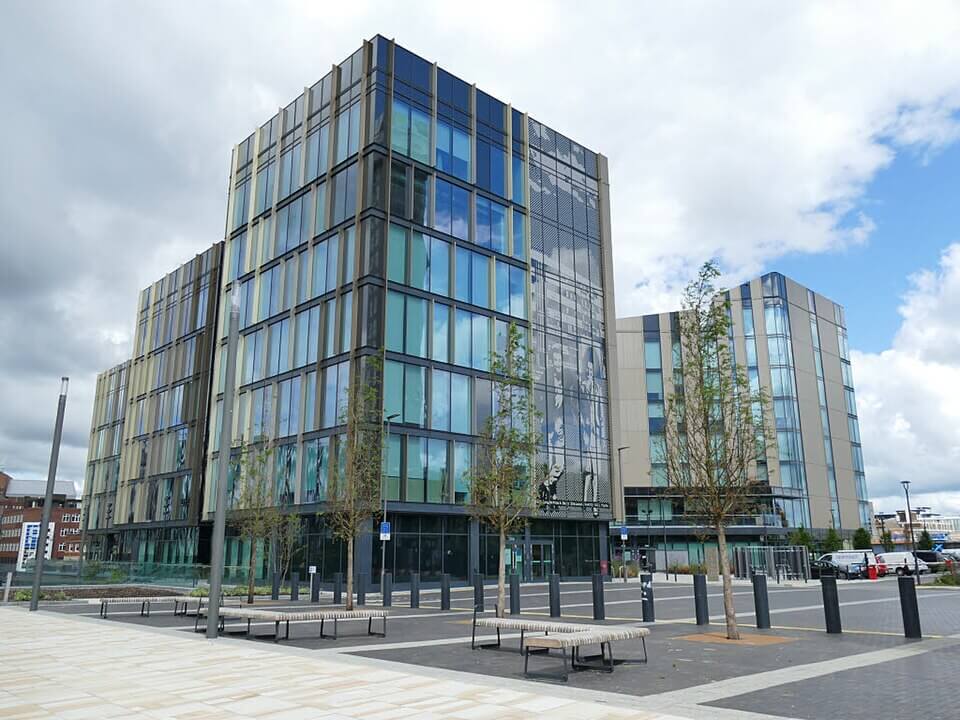
As one of the largest further education institutions in the UK, Leeds City College operates across several specialized campuses, including the flagship Quarry Hill campus and the historic Printworks site. It offers an incredibly broad spectrum of courses, ranging from ESOL and basic skills to vocational qualifications in sectors like digital media, health sciences, and the creative arts. The college is praised for its modern, industry-standard facilities, such as professional-grade kitchens for culinary students and high-tech labs for those studying engineering, ensuring that students are career-ready upon graduation.
The college plays a vital role in the city’s economy by partnering with local businesses to provide apprenticeships and tailored training programs. Its atmosphere is vibrant and multicultural, reflecting the diversity of Leeds itself, and it provides extensive support services for adult learners returning to education as well as school leavers. With a focus on inclusivity and social mobility, Leeds City College acts as a primary engine for skill development, helping thousands of students annually to bridge the gap between education and meaningful employment.
Read More on Leeds City College
Directions to Leeds City College
Leeds College of Building
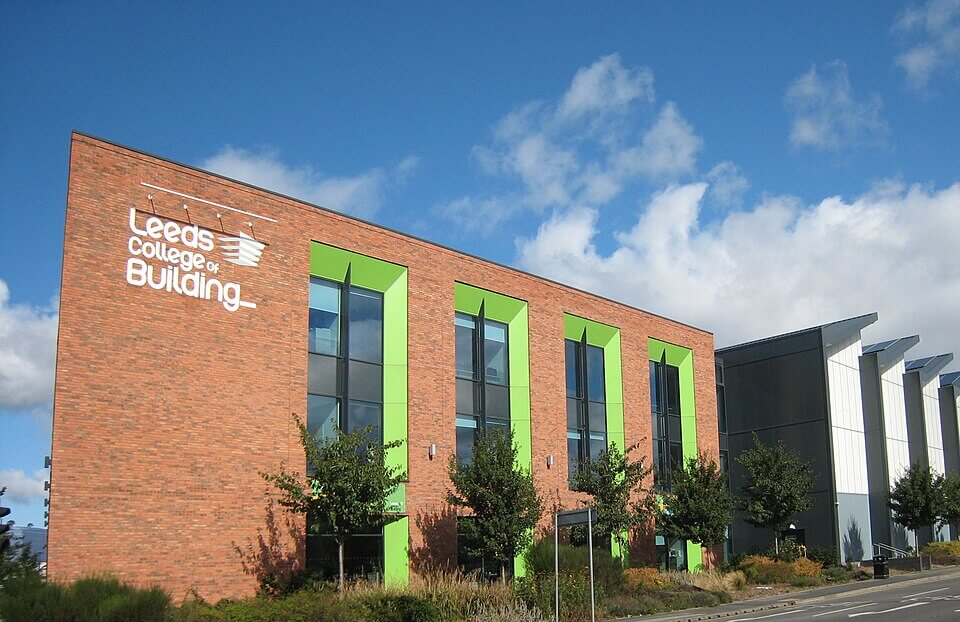
Established in 1960, Leeds College of Building holds the distinction of being the only further education college in the UK dedicated entirely to the construction and built environment sector. With multiple sites across the city, including the impressive South Bank Campus, it provides world-class training in traditional trades like bricklaying, plumbing, and carpentry, alongside advanced technical paths such as civil engineering, quantity surveying, and architecture. The college is a national leader in its field, frequently winning awards for the quality of its apprenticeships and its commitment to tackling the skills gap in the British construction industry.
The learning environment is designed to mirror real-world construction sites and professional offices, featuring expansive workshops and CAD (Computer-Aided Design) suites. Students benefit from close ties with major construction firms, often leading to direct employment opportunities on significant infrastructure projects across the North of England. By combining hands-on manual training with complex theoretical studies, the college ensures that its graduates are equipped to handle the challenges of modern, sustainable building practices and urban development.
Read More on Leeds College of Building
Directions to Leeds College of Building
Elliott Hudson College
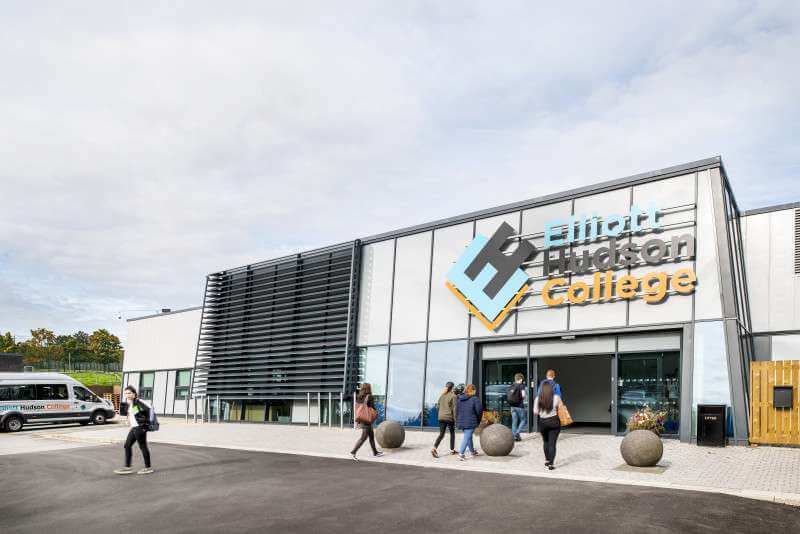
Located at the White Rose Office Park, Elliott Hudson College is a premier Sixth Form centre that focuses specifically on A-Level delivery for students aged 16 to 19. Since its opening, it has quickly gained a reputation for academic excellence, consistently achieving high pass rates that see its students progress to Russell Group universities and prestigious higher-level apprenticeships. The college provides a more “collegiate” feel than a traditional school sixth form, offering a bridge between the structured environment of secondary school and the independent lifestyle of university.
The facilities are strikingly modern, designed to look more like a high-end corporate headquarters than a traditional school, which helps foster a professional mindset among the student body. In addition to a rigorous academic curriculum, the college emphasizes “the whole student” through its enrichment programs, which include competitive sports, performing arts, and leadership qualifications. It is a highly sought-after institution for students across Leeds and West Yorkshire who are aiming for top-tier academic success in a focused, high-performance environment.
Read More about Elliott Hudson College
Get Directions to Elliott Hudson College
Leeds Arts University
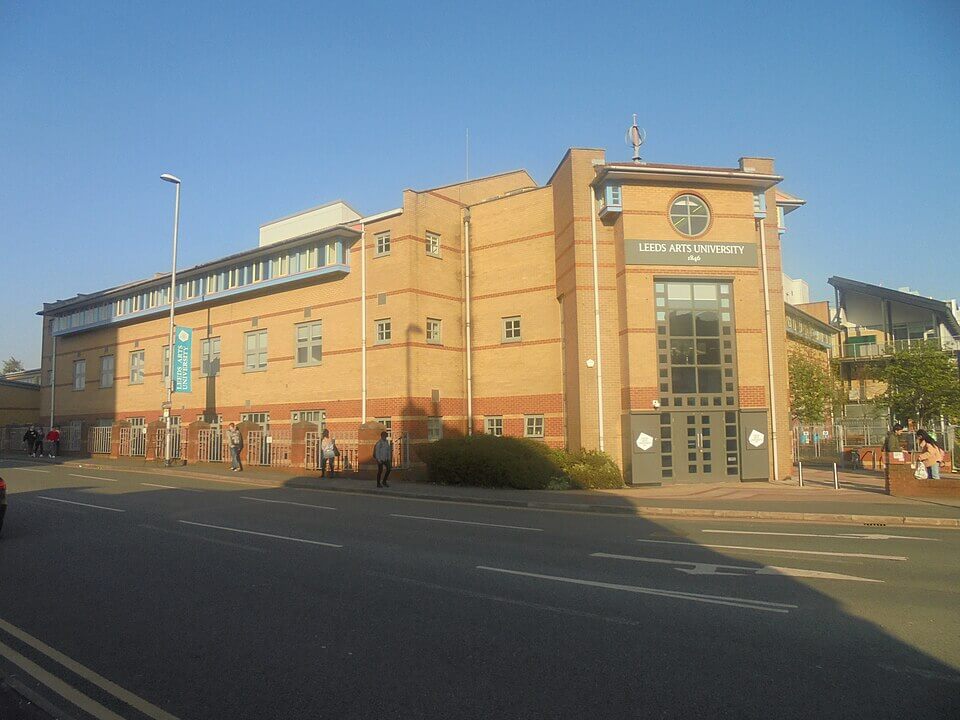
While it holds university status, Leeds Arts University remains a primary destination for college-level students through its highly regarded Foundation Diploma in Art and Design. Based primarily at the Vernon Street campus—a beautiful historic building in the city centre—it provides a dedicated space for young creatives to experiment with photography, fashion, fine art, and graphic design before committing to a degree. The institution has a prestigious pedigree, having nurtured world-famous artists like Henry Moore and Barbara Hepworth, and it continues to be a hotbed for contemporary talent.
The atmosphere within the college is one of intense creativity and freedom, where students are encouraged to push boundaries and find their unique artistic voice. The studios are bustling hives of activity, equipped with everything from traditional darkrooms and printmaking presses to the latest digital fabrication tools. For a student in Leeds looking to enter the creative industries, this college offers an unparalleled pedigree and a community of like-minded individuals that acts as a powerful springboard into the global art world.
Read More about Leeds Arts University
Get Directions to Leeds Arts University
Leeds Conservatoire
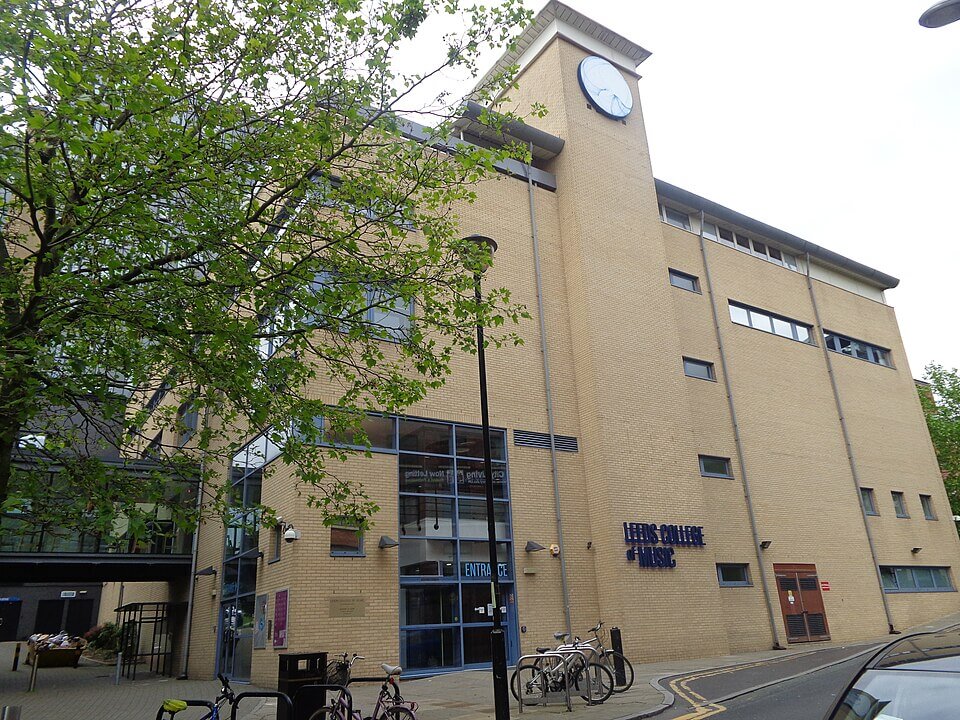
Formerly known as Leeds College of Music, the Conservatoire offers specialised further education courses for talented young musicians and performers. Located in the heart of the Quarry Hill cultural quarter, it provides BTEC and Foundation programs in music performance, production, and musical theatre. It is unique in its ability to offer students access to a professional conservatory environment while they are still in their mid-teens, allowing them to train alongside degree-level musicians and industry professionals.
The facilities are world-class, featuring soundproofed practice rooms, high-end recording studios, and a dedicated 350-seat concert hall. Students are immersed in a diverse musical ecosystem that covers everything from classical and jazz to pop and electronic music. By focusing on both technical mastery and the business side of the industry, the Conservatoire prepares its college-level students for the realities of a career in the performing arts, making it the premier choice for the city’s most dedicated young performers.
Read More about Leeds Conservatoire
Get Directions to Leeds Conservatoire
Notre Dame Catholic Sixth Form College
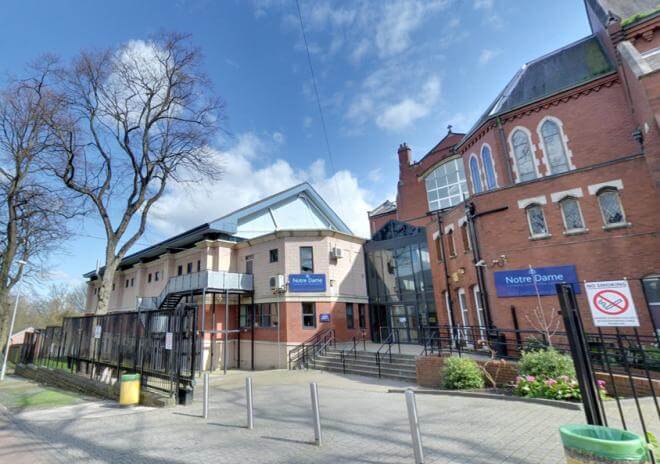
Situated right next to the University of Leeds, Notre Dame is a highly successful sixth-form college with a long history of academic achievement. While it is a Catholic foundation that welcomes students of all faiths and none, it is particularly noted for its strong pastoral care and its “values-based” approach to education. The college offers a wide array of A-Levels and BTEC Level 3 qualifications, consistently ranking as one of the top-performing sixth forms in the country based on the “value added” to its students’ grades.
The campus is a mix of traditional architecture and modern additions, providing a calm and scholarly environment in a very central location. Because of its proximity to the university, students often feel part of a wider academic community, which helps ease the transition to higher education. Notre Dame is well-known for its “Aim Higher” program, which provides bespoke support for students applying to Oxford, Cambridge, and medical schools, ensuring that its learners have the best possible chance of reaching the most competitive destinations.
Read More about Notre Dame Catholic Sixth Form College
Get Directions to Notre Dame Catholic Sixth Form College
Travelling to Leeds
Leeds Railway Station
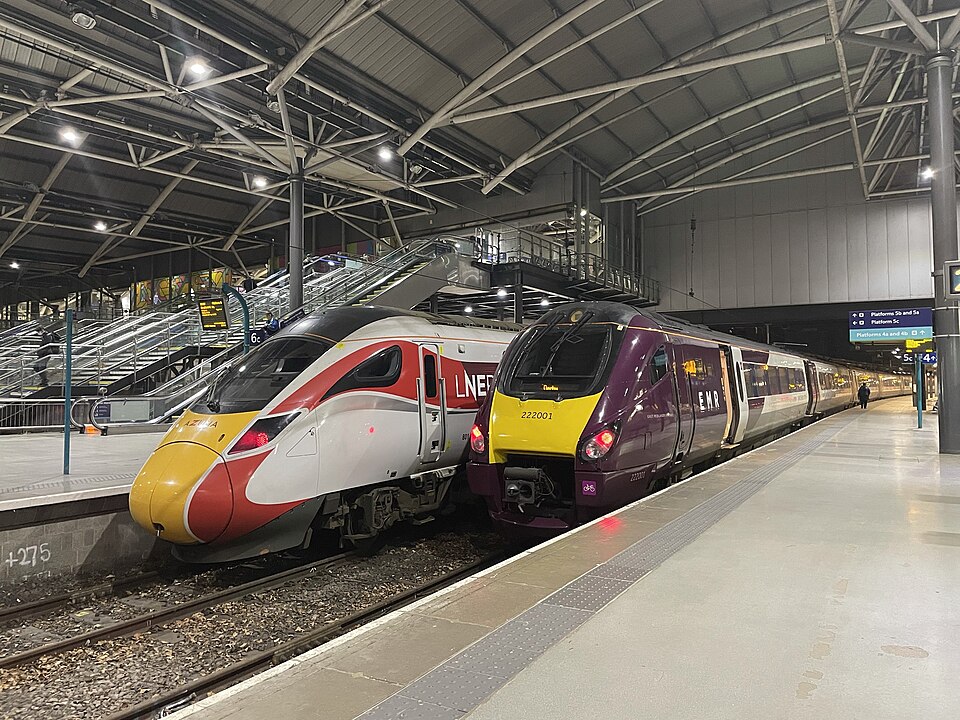
Leeds City Station is the busiest transport hub in the North of England, serving as the primary gateway for over 30 million passengers annually. Built upon the famous “Dark Arches”—a vast network of Victorian brick vaults over the River Aire—the station is a unique blend of 19th-century engineering and 21st-century modernization. Its recent £161 million redevelopment introduced a striking “glimmering gold” southern concourse and a transparent ETFE roof that floods the space with natural light. A world-first for railways, the station features human circadian rhythm lighting that mimics natural daylight cycles to improve the mood and alertness of travelers.
As of early 2026, the station is undergoing further significant upgrades to prepare for the Northern Powerhouse Rail expansion and a predicted doubling of passenger numbers. Major work is currently focused on the “Sustainable Travel Gateway,” which includes the pedestrianization of New Station Street and the addition of 700-space high-tech cycle hubs. Internally, critical infrastructure projects like the extension of Platform 17 are underway to accommodate longer, higher-capacity trains. Whether you are admiring the restored Art Deco grand hall or using the sleek, “helmet-shaped” southern entrance to reach Leeds Dock, the station stands as a world-class landmark that seamlessly connects Yorkshire to the rest of the UK.
Read More about Leeds Railway Station