Holbeck

Exploring Holbeck

Holbeck is an inner-city area located just to the south of Leeds city centre, positioned close to key transport routes and commercial zones. Its location makes it one of the most accessible parts of Leeds, with direct links to the city centre, the motorway network, and nearby districts. This proximity allows Holbeck to function as both a residential area and a space closely tied to business and industry.

The character of Holbeck is shaped by a strong mix of industrial buildings and residential streets. Large former industrial structures sit alongside modern developments and traditional housing, creating a varied and evolving landscape. In recent years, parts of the area have seen regeneration, introducing new workspaces, offices, and creative hubs that add to its growing role within Leeds.

Holbeck is also known for its connection to the South Bank regeneration area, which has brought increased attention and development to this part of the city. This includes the transformation of older buildings into contemporary spaces, supporting business growth and urban expansion. The area continues to adapt while maintaining its distinctive identity.

Community facilities, local businesses, and accessible services contribute to everyday life in Holbeck. Despite its proximity to the city centre, it retains a separate identity, with its own network of streets, amenities, and local landmarks. This combination of accessibility and individuality defines Holbeck within the wider Leeds area.

Overall, Holbeck presents a practical and evolving urban environment, where residential living, industrial heritage, and modern development intersect. Its strong connections and ongoing changes make it an important part of Leeds’ wider landscape.

holbeck

Tracing Holbeck’s Urban and Industrial Changes

history of holbeck

Holbeck developed as part of Leeds’ early industrial expansion, when the area began to shift from open land into a structured working district. Its location close to the River Aire and emerging transport routes made it suitable for manufacturing and heavy industry. Early development introduced mills, workshops, and tightly packed streets built to house workers close to their places of employment.

During the industrial period, Holbeck became one of Leeds’ key manufacturing centres, with large mills and engineering works shaping its identity. Notable sites such as Temple Works, Marshall’s Mill, and the Round Foundry reflect the scale of production that took place in the area. These buildings supported textile manufacturing, engineering, and machinery production, making Holbeck an important industrial hub.

The arrival and expansion of railway infrastructure had a major impact on Holbeck’s development. Railway lines, viaducts, and engine sheds were constructed throughout the area, reinforcing its industrial role and improving transport links for goods and workers. These structures remain visible today and form a strong part of Holbeck’s urban landscape.

As industrial activity declined, Holbeck began to experience major changes in land use and development. Many former mills and warehouses were left unused or repurposed, leading to gradual regeneration efforts. The area started to shift towards mixed-use development, combining residential, commercial, and creative spaces within former industrial structures.

Today, Holbeck is a district in transition, where historic industrial buildings sit alongside modern developments and business spaces. Areas such as Holbeck Urban Village and the South Bank fringe highlight ongoing regeneration, bringing new life into former industrial zones. The area continues to evolve while maintaining visible traces of its industrial past, creating a layered and distinctive urban environment

 

Visit Well-Known Spaces Within Holbeck

Discover Creative Spaces at Temple Works

temple works

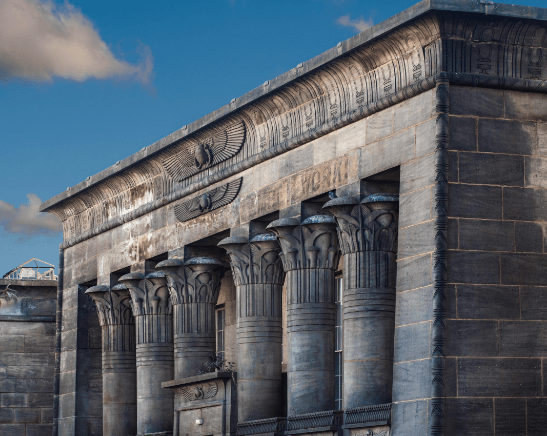
Temple Works is one of the most distinctive buildings in Holbeck, recognised for its Egyptian-inspired architecture and large industrial scale. The structure stands out due to its unique design, including a flat roof that was historically used for industrial purposes. Today, it remains a significant landmark and is often associated with creative and redevelopment projects within the area, reflecting Holbeck’s ongoing transformation.

Directions to Temple Works

Explore the Historic Marshall’s Mill Complex

marshall's mill

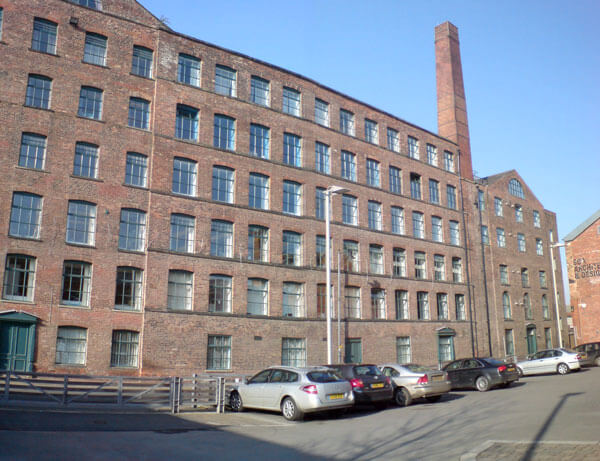
Marshall’s Mill is a key feature within Holbeck, forming part of a wider complex of former industrial buildings. Constructed from red brick, it has been adapted into modern office and workspace environments while retaining its original character. The surrounding courtyard areas provide open space within the development, making it a central point for business and activity in Holbeck.

Directions to Marshall’s Mill

Step Inside The Holbeck Social Club and Event Space

the holbeck (historic working men’s club)

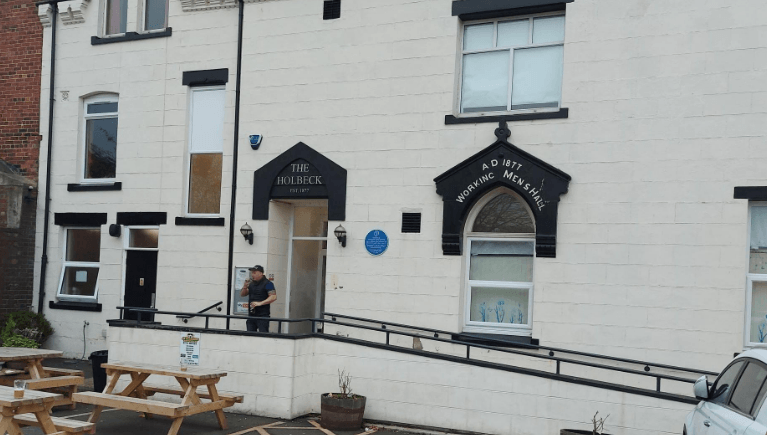
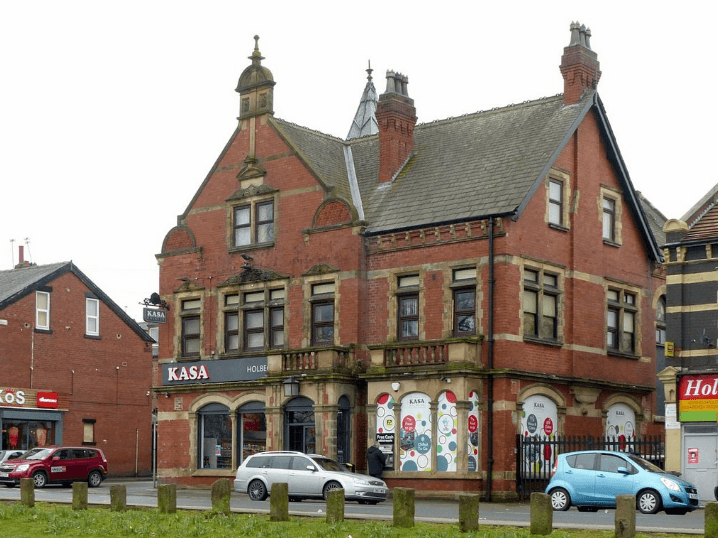
The Holbeck, formerly known as Holbeck Working Men’s Club, is recognised as one of the oldest surviving working men’s clubs in the UK. Established in the 19th century, it continues to operate as a social and events venue, hosting performances and community gatherings. Its long-standing presence makes it a key cultural and social landmark within Holbeck.

Directions to The Holbeck

Observe Industrial Heritage at Round Foundry

the round foundry

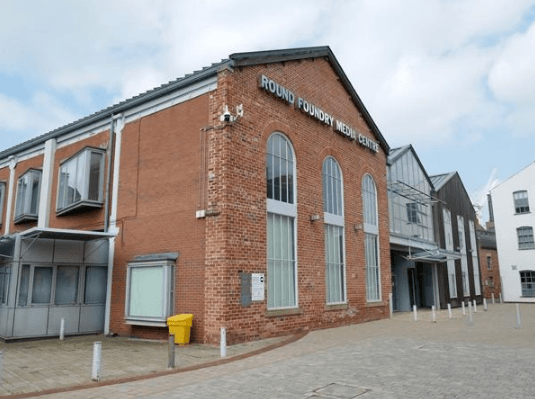
The Round Foundry is one of Holbeck’s most important industrial sites, forming part of the wider Temple and Marshall’s Mill area. It has been carefully redeveloped into a mix of offices, courtyards, and business spaces while preserving its original structure. The site reflects the engineering and manufacturing past of Holbeck and remains a key example of how industrial buildings have been adapted for modern use.

Directions to Round Foundry

View St Luke’s Church Architectural Religious Site st luke’s church holbeck

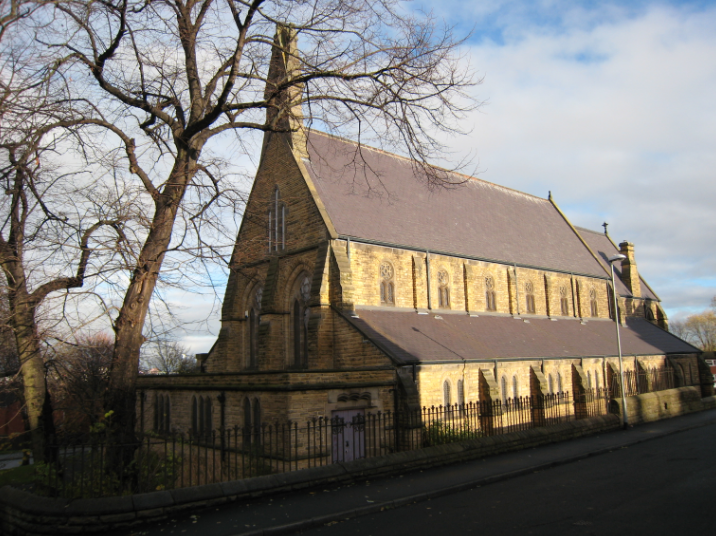
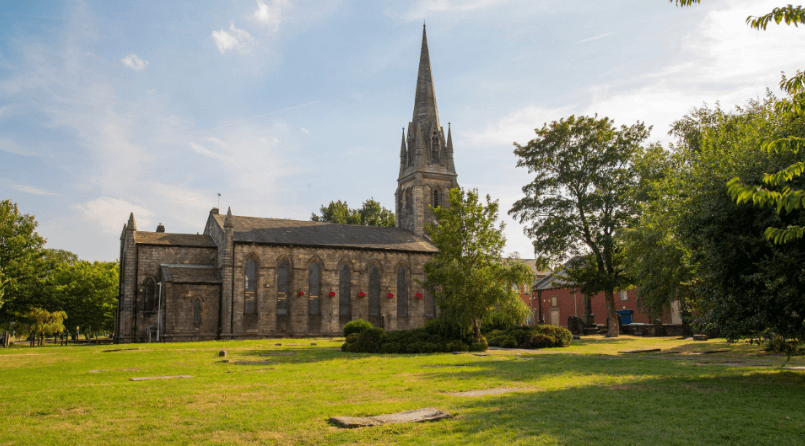
St Luke’s Church is another important place of worship within Holbeck, contributing to the area’s network of religious and community buildings. Its presence adds to the variety of architectural styles found across the district and continues to support local activities and gatherings.

Directions to St Luke’s Church

Experience Local Movement Around Ingram Road

ingram road

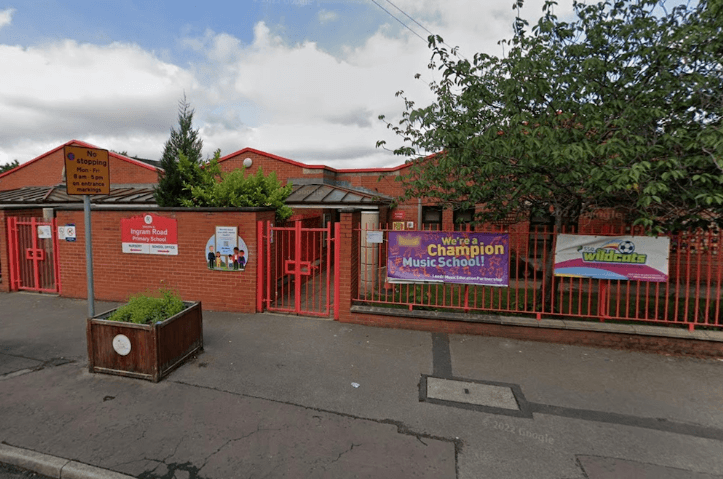
Ingram Road is a residential street that reflects the everyday living environment within Holbeck. Lined with terraced housing, it shows the typical layout found in many parts of the district. Streets like this contribute to the overall structure of the area and support its residential community.

Directions to Ingram Road

Walk Through Top Moor Side Housing and Local Roads

top moor side

Top Moor Side forms part of the residential network within Holbeck, offering a quieter contrast to the more industrial sections. The area includes traditional housing and local streets that support everyday living, contributing to the balance between residential and commercial use across Holbeck.

Directions to Top Moor Side

Take Part in Local Activities at St Matthew’s Community Centre

st mathew's community centre, holbeck

St Matthew’s Community Centre is an important local facility in Holbeck, providing a flexible space for community events, meetings, and support services. The building is closely linked to St Matthew’s Church and plays a key role in local engagement. It is regularly used for social programmes, youth activities, and neighbourhood gatherings, making it a practical and well-used hub for residents.

Directions to St Matthew’s Community Centre

Visit Holbeck Mosaic Church

holbeck mosaic church

Holbeck Mosaic Church is a modern Christian community located within the area, known for its contemporary approach to worship and local involvement. The church hosts regular services, outreach programmes, and community events that support people from different backgrounds. It contributes to Holbeck’s diverse network of faith-based spaces and adds to the area’s strong community presence.

Directions to Mosaic Church

Holbeck stands as a distinctive part of Leeds, shaped by a strong blend of industrial character and ongoing urban change. Its location close to the city centre has made it an important area for transport, business, and residential development, with a landscape that continues to evolve over time. The area brings together historic mills, railway structures, and repurposed buildings alongside modern developments and creative workspaces. This mix creates a layered environment where old and new sit side by side, reflecting Holbeck’s continuous transformation within the wider city. With green spaces, community facilities, local venues, and growing commercial areas, Holbeck offers both everyday practicality and cultural interest. Its ongoing regeneration ensures it remains a key and dynamic part of Leeds, with a clear identity rooted in its past and shaped by its future.

Walk through Headingley’s busy roads, open park areas, and popular local spots that shape the neighbourhood here: https://apex-pest-control.co.uk/leeds-city-england/headingley/

Scroll to Top