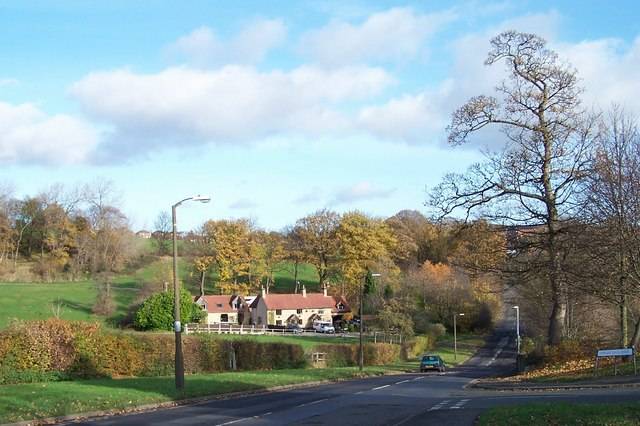
Longley
Exploring Longley
Longley is a residential suburb in the northern part of Sheffield, offering a balanced mix of urban convenience and access to green spaces. The area is well-connected by public transport and lies near key districts like Parson Cross, Shirecliffe, and Norwood, making it an accessible location for commuters and families alike. Its layout features a variety of housing types, from council-built estates to private homes, contributing to a diverse community.
One of Longley’s defining features is its proximity to recreational areas, including open fields, parks, and wooded patches that add a touch of greenery to everyday life. This makes it ideal for outdoor activities and casual weekend strolls. The local environment provides a quieter alternative to the bustle of central Sheffield while still maintaining a sense of community.
Education and local services in Longley support a family-oriented lifestyle. Schools, health centres, and shopping options are all within easy reach, ensuring day-to-day needs are met. Community facilities play a vital role in connecting residents, with youth centres, libraries, and churches often acting as social hubs.
Though not as densely packed with attractions as some parts of Sheffield, Longley’s appeal lies in its simplicity and neighbourly atmosphere. It’s a place where local pride and steady development continue to shape a calm and livable corner of the city.
Historical Overview of Longley, Sheffield

Longley began its transformation in the late 1920s, when Sheffield City Council acquired land to build a substantial council housing estate. Official development kicked off on 10 June 1926, when plans for approximately 2,000 houses were approved—residents began moving into the new homes by 1927. To serve this growing community, a school opened on Raisen Hall Road on 17 July 1930, initially accommodating over 400 pupils.
As part of the new estate, Longley Park was officially inaugurated in 1929, covering around 52 acres and featuring open lawns, woodland copses, and a valley with the Bagley Dike stream. These facilities were expanded through Depression-era relief work and philanthropic support, enhancing leisure opportunities for local residents. In 1935, agricultural activity around Longley diminished as country houses like Crowder House were demolished to make way for residential expansion, merging the rural landscape into the urban fabric.
Post-World War II development continued steadily: by the early 2000s, Longley included around 2,642 households and a population of 6,190, with 53% of homes owned by the local authority. A notable residential addition came in December 2003, when South Yorkshire Housing Association completed 20 bungalows—two designed specifically for disabled residents—on Everingham Place.
Today, the neighbourhood blends its 1930s-era layout with modern amenities. It serves as a regional hub with institutions such as the National Blood Service regional centre on Longley Lane. Meanwhile, the park continues to evolve: formerly home to a popular lido, it has been revitalised in the 2000s under a landscape redevelopment programme that added playgrounds, improved drainage, footpaths, pavilion facilities, and retained mature tree canopies.

Discover the Best Things to Do Around Longley
Discover Nature at Longley Park

Longley Park is a standout attraction in the area, offering expansive green space for walking, jogging, and relaxing. Families enjoy the playgrounds, while dog walkers and runners take advantage of the wide, open paths. The park also hosts community events in warmer months, helping bring the neighbourhood together.
Directions to Longley Park
Study or Stroll Around Longley Park Sixth Form

Longley Park Sixth Form College isn’t just for students—it also serves as a local landmark and a community asset. With modern facilities and landscaped surroundings, the college adds an educational heart to the area and a contemporary touch to the local skyline.
Directions to Longley Park Sixth Form
Spend Quiet Moments at Longley Hall

Longley Hall, surrounded by trees and tucked away near the park, adds architectural charm to the area. Though not a tourist site, it’s often appreciated by walkers and locals for its aesthetic value and serene setting.
Directions to Longley Hall
Relax and Play at Longley Avenue West Green Space

Located on the western edge of Longley, this tucked-away green space is ideal for casual strolls, dog walking, and peaceful breaks. Though less developed than Longley Park, it provides a quieter, more natural alternative for residents seeking fresh air close to home.
Directions to Longley Avenue West
Browse and Shop at Herries Road Retail Spots

Along Herries Road near Longley, small convenience shops, takeaways, and local services cater to everyday needs. This area supports local business and provides a sense of practical convenience for residents who prefer not to travel far for daily essentials.
Directions to Herries Road
Explore the Paths Behind Longley Crescent

Behind the residential streets like Longley Crescent, walking paths and open fields connect various parts of the neighbourhood. These less formal green routes are popular with locals for quiet exercise, dog walking, and shortcuts through the community.
Directions to Longley Crescent
Longley blends suburban calm with everyday convenience, making it a solid choice for families, professionals, and long-time locals alike. With its spacious parks, essential services, and neighbourly atmosphere, this Sheffield suburb offers a down-to-earth lifestyle surrounded by greenery and connection. Whether you’re enjoying a peaceful walk through Longley Park or engaging in local community life, Longley stands out as a place where simple living feels just right.
Enjoy the quiet beauty, elevated surroundings, and close-knit charm that make Lodge Moor one of Sheffield’s most serene neighbourhoods. https://apex-pest-control.co.uk/sheffield-city-england/lodge-moor/