Malin Bridge
Exploring Malin Bridge
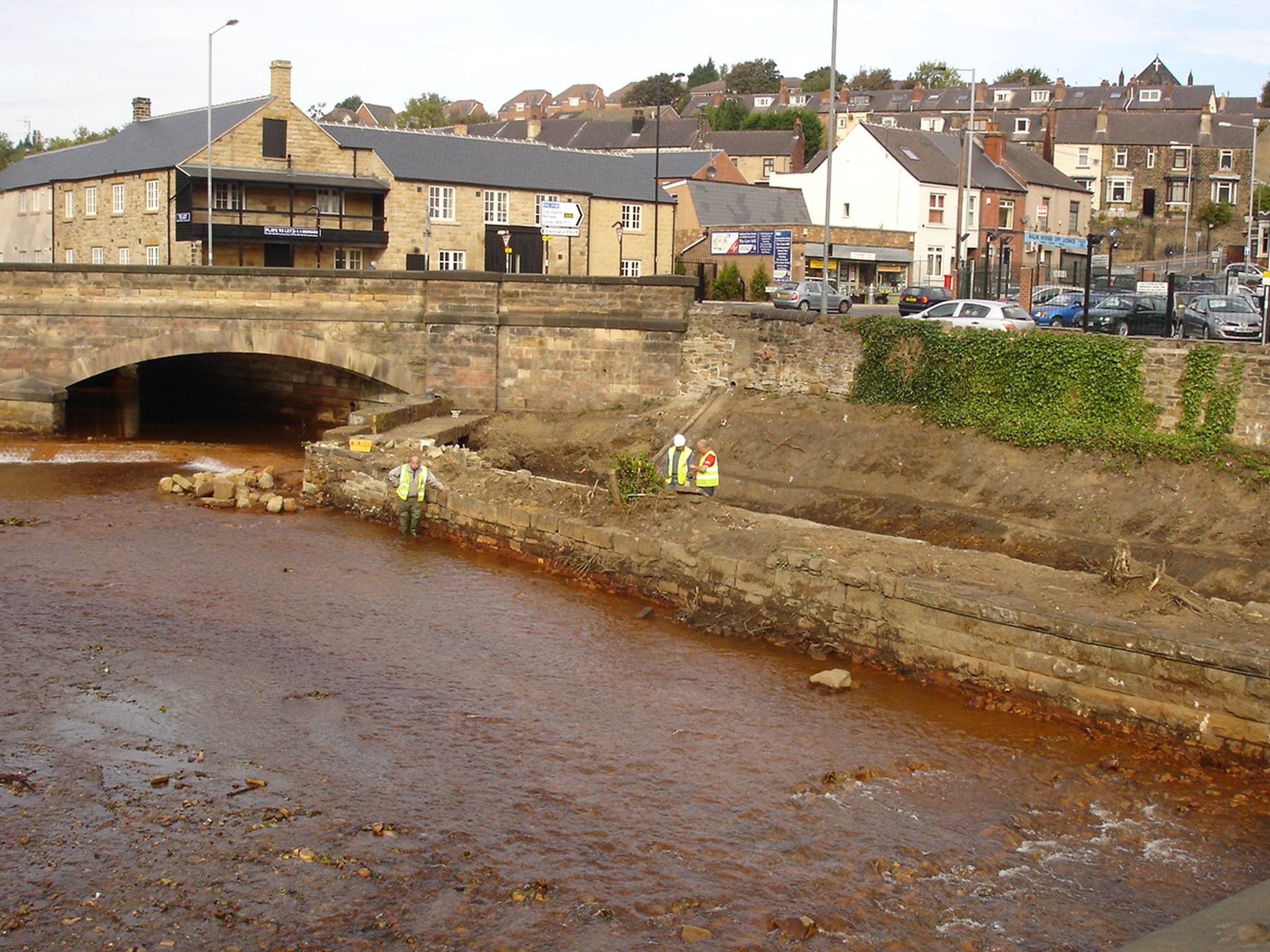
Malin Bridge is a compact suburb located where the rivers Loxley and Rivelin meet, about 2½ miles northwest of Sheffield city centre. Nestled around a busy road junction and bridge, the area serves as a vibrant local hub, blending built-up shopping streets with natural landscapes. While the built environment includes small shops, a fire station, and a Lidl supermarket, it remains closely tied to the green corridors of the Rivelin Valley.
The suburb is a gateway to the scenic Rivelin Valley Nature and Heritage Trail, a flat, riverside route that winds out from Malin Bridge into woodland and riverside walks. This trail is popular for casual strolling, dog walking, and wildlife spotting—including kingfishers, wrens, and dippers—just minutes from Sheffields’s urban bustle.
Superb transport links enhance the suburb’s appeal: the Malin Bridge terminus of Sheffield Supertram’s Blue Line offers direct connections to the city centre and a park‑and‑ride facility, while local bus services further improve access to and from the area. Despite its built-up centre, Malin Bridge remains strongly integrated with nature. The surrounding green belts, valleys, and riverside paths allow easy access to Sheffield’s extensive countryside every day of the year.
Malin Bridge Supertram Terminus

Malin Bridge marks the western terminus of Sheffield’s Blue Route Supertram line, serving as both a gateway to the city and a scenic endpoint framed by nature. Tucked neatly alongside the River Loxley, the stop features a wide, well-maintained platform with digital displays, ticket machines, and covered waiting areas that offer shelter in all weather. Its strategic location makes it a popular starting point for daily commuters heading into the city, as well as a convenient launchpad for day-trippers, tourists, and walkers exploring the tranquil river valleys beyond.
The surrounding area is a harmonious blend of functionality and charm. Just steps from the platform, visitors can access riverside footpaths, independent shops, cosy pubs, and green open spaces. The park-and-ride facility nearby adds extra ease for those travelling from outer villages or rural areas, allowing for a smooth transition from car to tram. Pedestrian links from the terminus are safe and well-signposted, inviting people to stroll through the heart of Malin Bridge and beyond. What makes this tram stop distinctive is how seamlessly it connects the practical needs of transport with the laid-back feel of the riverside village.
As the endpoint of the route, there’s a calm rhythm to the arriving and departing trams—never hurried, but reliably frequent. Surrounded by leafy trees, flowing water, and the soft hum of everyday life, the Malin Bridge Supertram Terminus isn’t just a transit hub—it’s part of the community’s landscape, providing movement without disrupting the peace.
Discover the Rich Past That Shaped Malin Bridge

Malin Bridge, located at the confluence of the River Loxley and the River Rivelin, has long held strategic and industrial importance in Sheffield’s northwest. Historically, its setting made it ideal for water-powered industry, and by the 18th and 19th centuries, the area became a hub for cutlery works, mills, and metal forges. The surrounding rivers provided the necessary flow to power grinding wheels, with Mousehole Forge and Malin Bridge Corn Mill standing out as notable landmarks from this industrial past. These facilities not only shaped the physical landscape but also supported generations of skilled metalworkers and craftsmen who contributed to Sheffield’s global reputation for steel and cutlery. Despite its contribution to the industry, Malin Bridge has also witnessed tragedy.
In 1864, it was one of the worst-hit areas during the Great Sheffield Flood when the Dale Dyke Dam collapsed. A torrent of water surged through the Loxley Valley, destroying homes, mills, and infrastructure in its path. Dozens of residents lost their lives, and the devastation left a permanent mark on local memory and development. Remnants of this event still exist in the area’s architecture and oral history, serving as solemn reminders of the village’s vulnerability and resilience. In the decades that followed, Malin Bridge gradually evolved from an industrial village into a residential suburb. Many of the old water-powered sites were repurposed or replaced, while others, like Burgon & Ball, continued to operate into the modern era.
The arrival of the Sheffield Supertram line in the 1990s further integrated Malin Bridge into the city’s transport network, marking a shift toward convenience and connectivity. Today, while it functions largely as a commuter neighbourhood, traces of Malin Bridge’s rich past are visible in its buildings, street patterns, and riverside structures—each one telling a story of adaptation and survival across centuries.

A Day Well Spent in Malin Bridge
Follow the River on the Rivelin Valley Trail

This scenic riverside trail begins at Malin Bridge and meanders along the River Rivelin through woodland, reaching reservoirs and bird‑rich environments. It’s a relaxed, level route that’s ideal for families, dog-walkers, and wildlife photographers.
Directions to Rivelin Valley Trail
Shop and Stock Up on Holme Lane

Holme Lane, part of Malin Bridge’s one-way loop, is lined with essential local shops, cafes, and the large Towsure outdoor gear store. It’s the area’s primary retail strip, offering convenience and local flair.
Directions to Holme Lane
Relax at the Malin Bridge Inn Beer Garden

Located on Holme Lane, this inn features a separate beer garden and cocktail lounge with undercover seating. It hosts community events—including drag-bingo and social gatherings—and is praised for its friendly, inclusive atmosphere and well‑kept exterior space.
Directions to Malin Bridge Inn
Stretch Your Legs at Rivelin Valley Park Water Playground

Just off the trail lies Rivelin Park, with picnic spots, a children’s play area, splash pools (open during summer), benches, and a café—perfect for post-walk relaxation.
Directions to Rivelin Valley Park Water Playground
Explore the Forge Ruins at Mousehole

Tucked beside the riverside, Mousehole Forge tells the story of Sheffield’s metalworking roots. Once world-famous for producing high-quality anvils, its ivy-clad ruins and millpond surroundings offer a haunting yet beautiful backdrop for walkers and history lovers alike.
Directions to Mousehole Forge
Attend a Quiet Service at St Polycarp’s Church

Positioned on the edge of Malin Bridge, this peaceful parish church features simple red brickwork and a calm interior for reflection. Built in the early 1930s, it still serves the local community and anchors this corner of the suburb with a sense of tradition and stillness.
Directions to St Polycarp’s Church
Park Up and Explore at Lidl Car Park

Strategically located at the foot of Stannington Road, Lidl’s spacious car park doubles as a handy base for those visiting the area. With easy access to river walks and the tram stop, it’s a practical hub for both quick shopping trips and longer local outings.
Directions to Lidl Car Park
Experience Quiet Corners of Malin Bridge at Corn Mill Court

Corn Mill Court is a modern residential enclave built on the site of the historic Malin Bridge Corn Mill. Surrounded by mature trees and close to the River Loxley, this development blends modern housing with heritage surroundings, offering peaceful views and riverside paths just steps away.
Directions to Corn Mill Court
Malin Bridge offers a balanced blend of heritage, green spaces, and local charm. With riverside trails, historic landmarks, and convenient transport links, it’s a quiet yet connected corner of Sheffield that invites exploration. Whether you’re stopping by for a pub lunch, catching the tram into town, or strolling along the riverbanks, Malin Bridge rewards visitors with beauty, character, and a strong sense of place.
Uncover the peaceful charm of Loxley with a closer look at its scenery, local favourites, and village feel here: https://apex-pest-control.co.uk/sheffield-city-england/loxley/